You have played a few games, enjoy the hobby, and want to improve your tables.
Hooray. Terrain, as I will say, 100 times makes the game better. It is not required, but it sure is fun.
At this stage, I will avoid discussing 3D printing. I know what is out there and how amazing it is, but we are beginning hobbyists.
A Note on Scale
Wargames can use a variety of scales. Scale is determined by the height of a figure from the bottom of its feet to eye level. Warhammer models are about 32mm, so they are 32mm scale. Bolt Action is closer to 28 mm, while Marvel Crisis Protocol is 40mm. (aka Captain America is 40mm from his feet to his eye)
Scale matters when it comes to terrain. If a standard rifleman can stand, look over a building, and shoot, it detracts from the immersion. Consider this if you make or buy your own terrain. The type of game you are playing also matters. Epic Battles from Warlord games is about 10mm scale, designed for large, medieval conflicts with a couple thousand figures on the table. Narrow streets and cramped buildings wouldn’t be fun to play on.
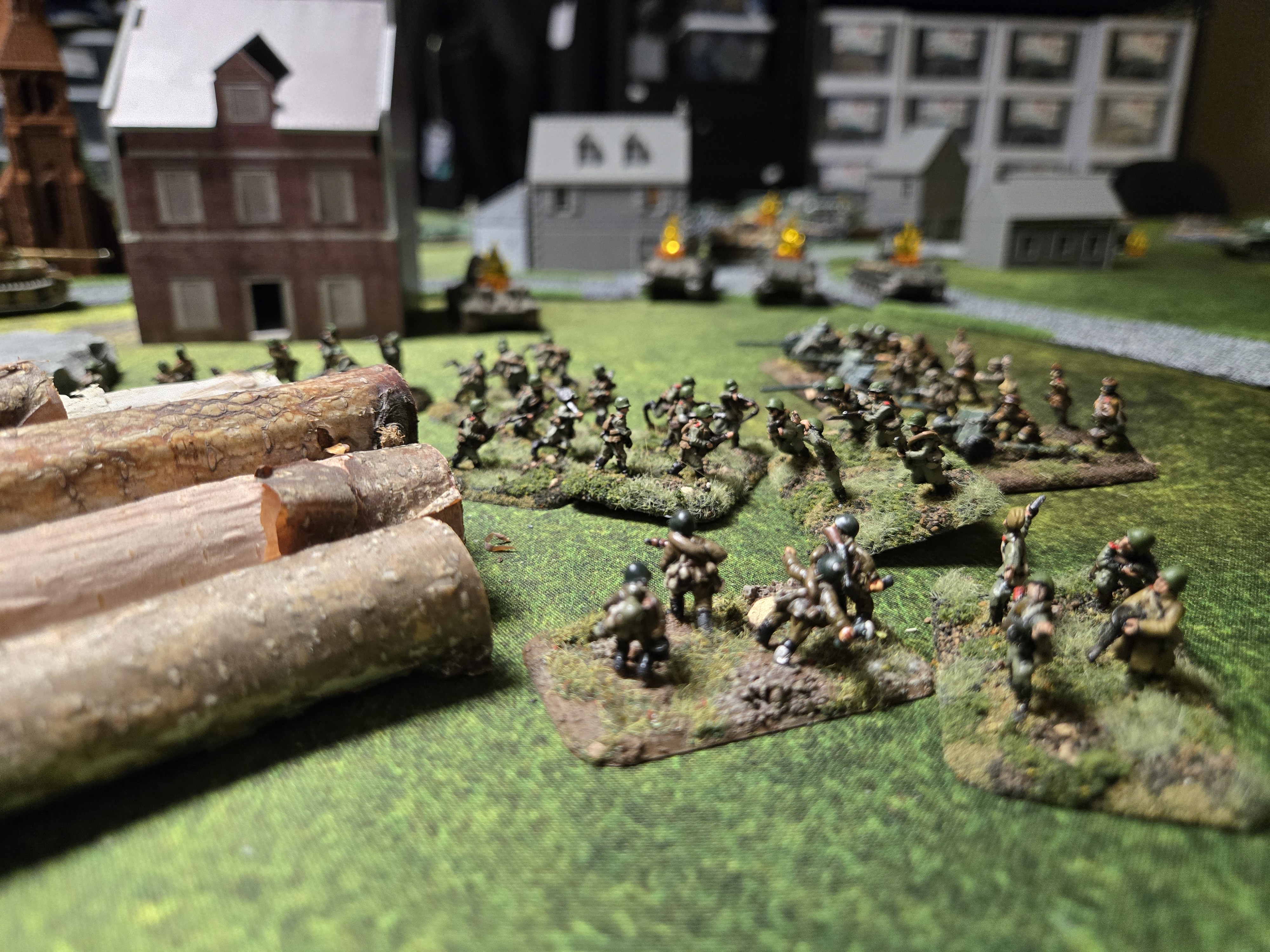
The same can be said for Bolt Action, a 28mm WW2 game. The average army has about 30 figures and a vehicle. This game plays much better with more terrain, buildings of different heights, etc. It does not play well on an open plain with a small river.
If purchased for Epic Battles, the same river might be the width of a battalion, 150 or so yards across. In Bolt action, that same battalion is shorter than a typical Tiger Tank and little more than a stream.
It’s just something to think about. Most players I know won’t care if the house is about the same size as a Landraider or if their noble knight is just a little bigger than the door he is guarding.
What Terrain do I need?
This entirely depends on what game you are playing. Rivers don’t make sense if you play Battlefleet Gothic, a game in outer space. Like Grimdark Gothic ruins don’t make sense in the Wild West.
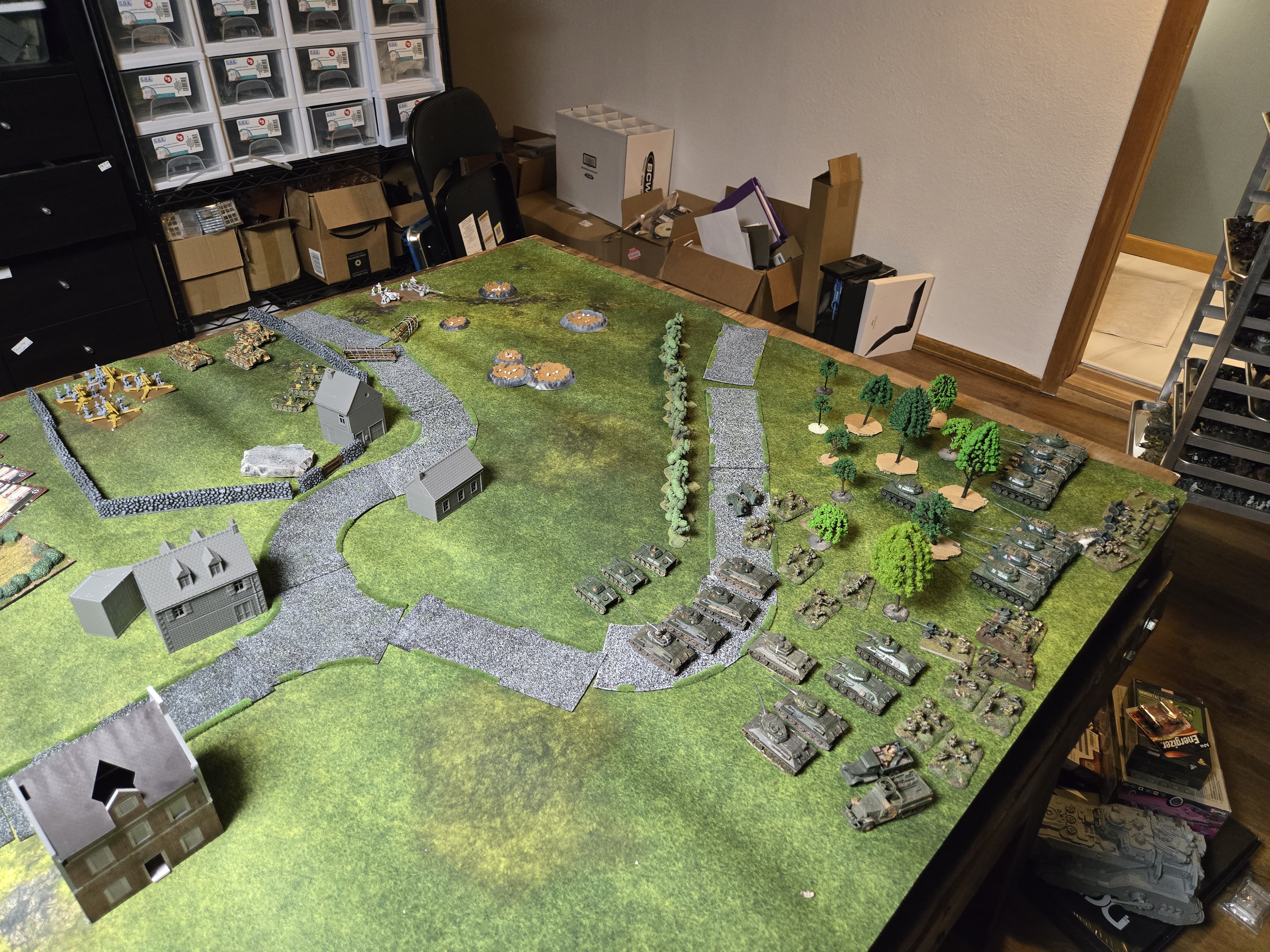
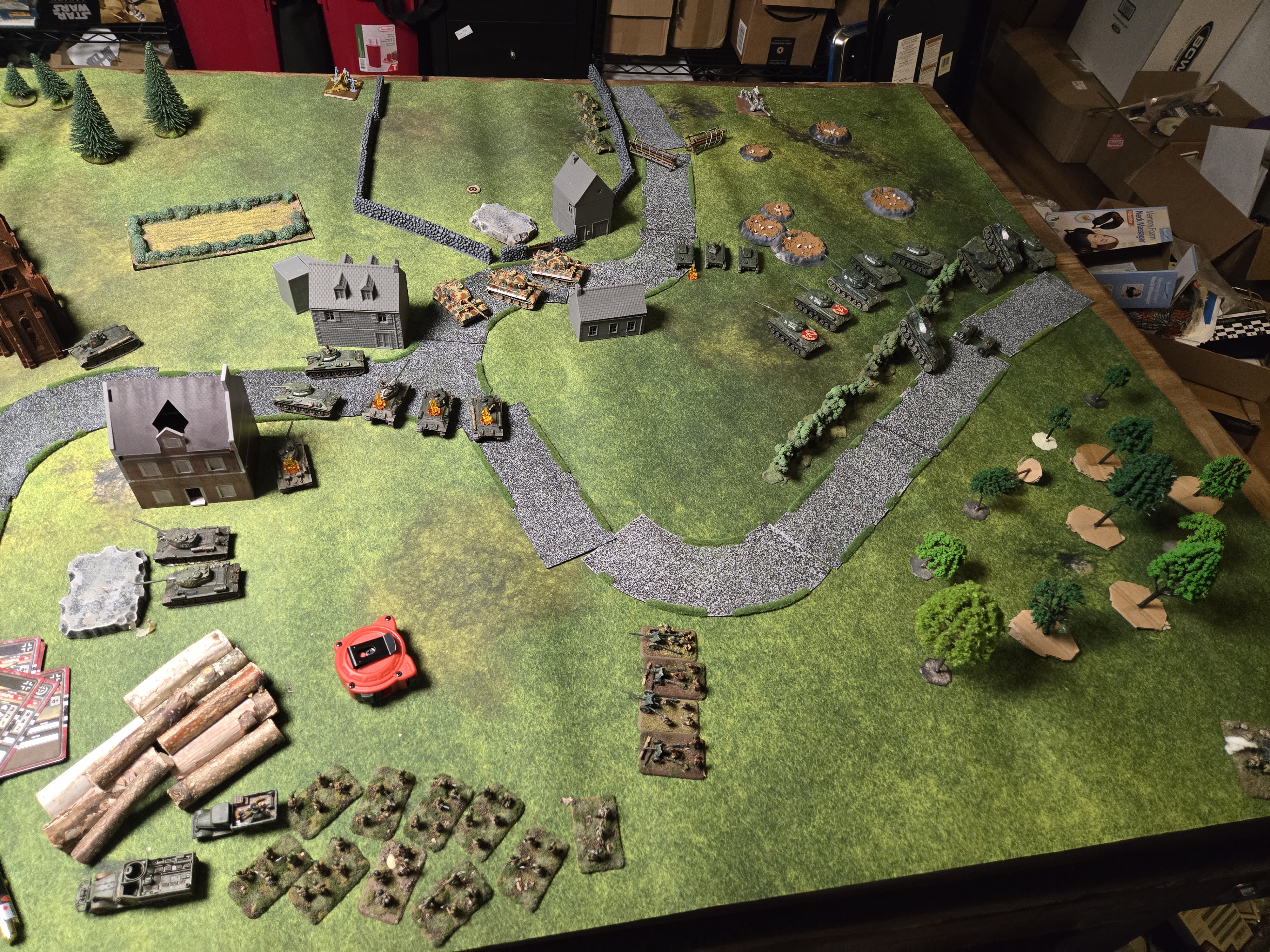
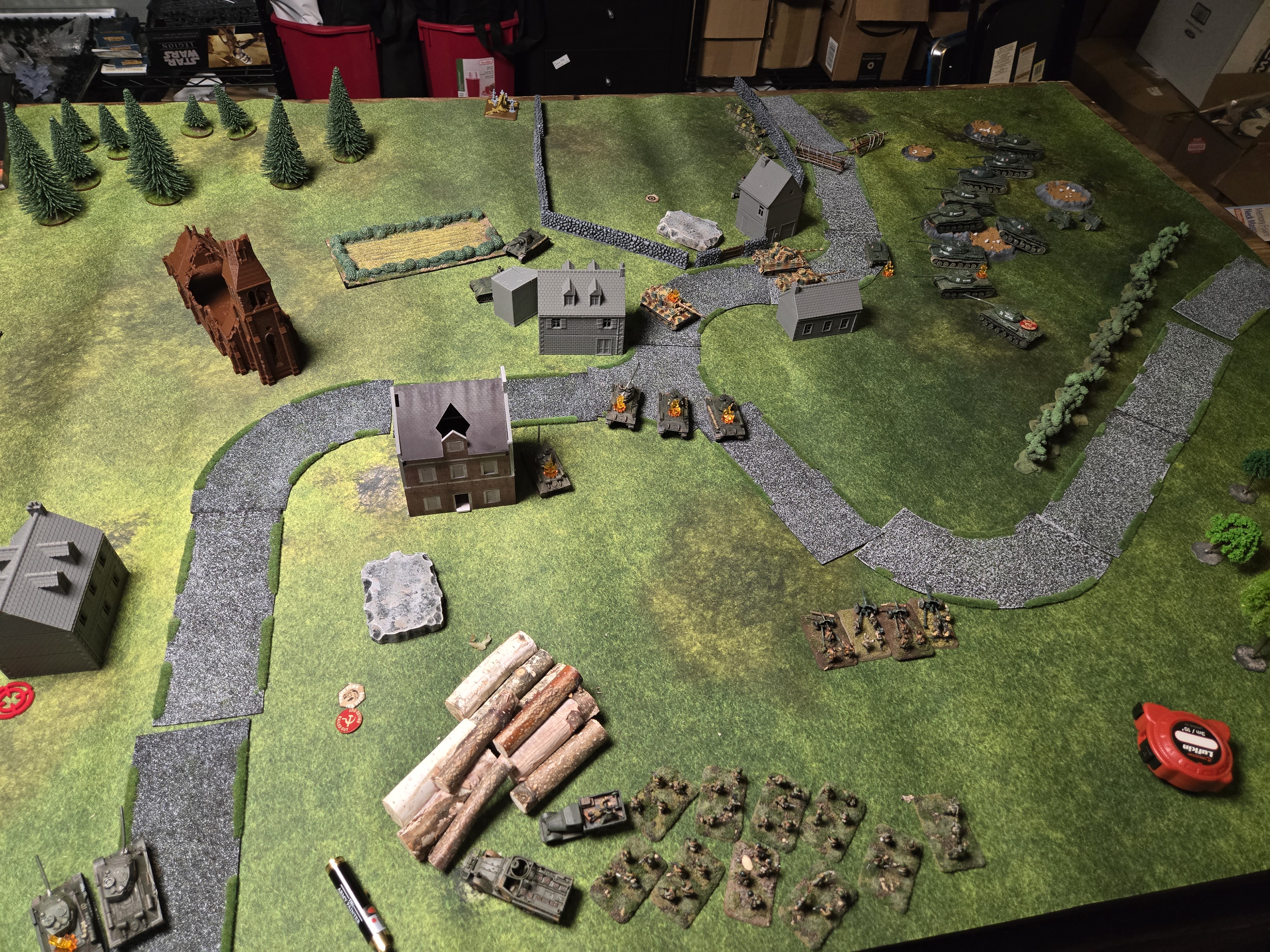
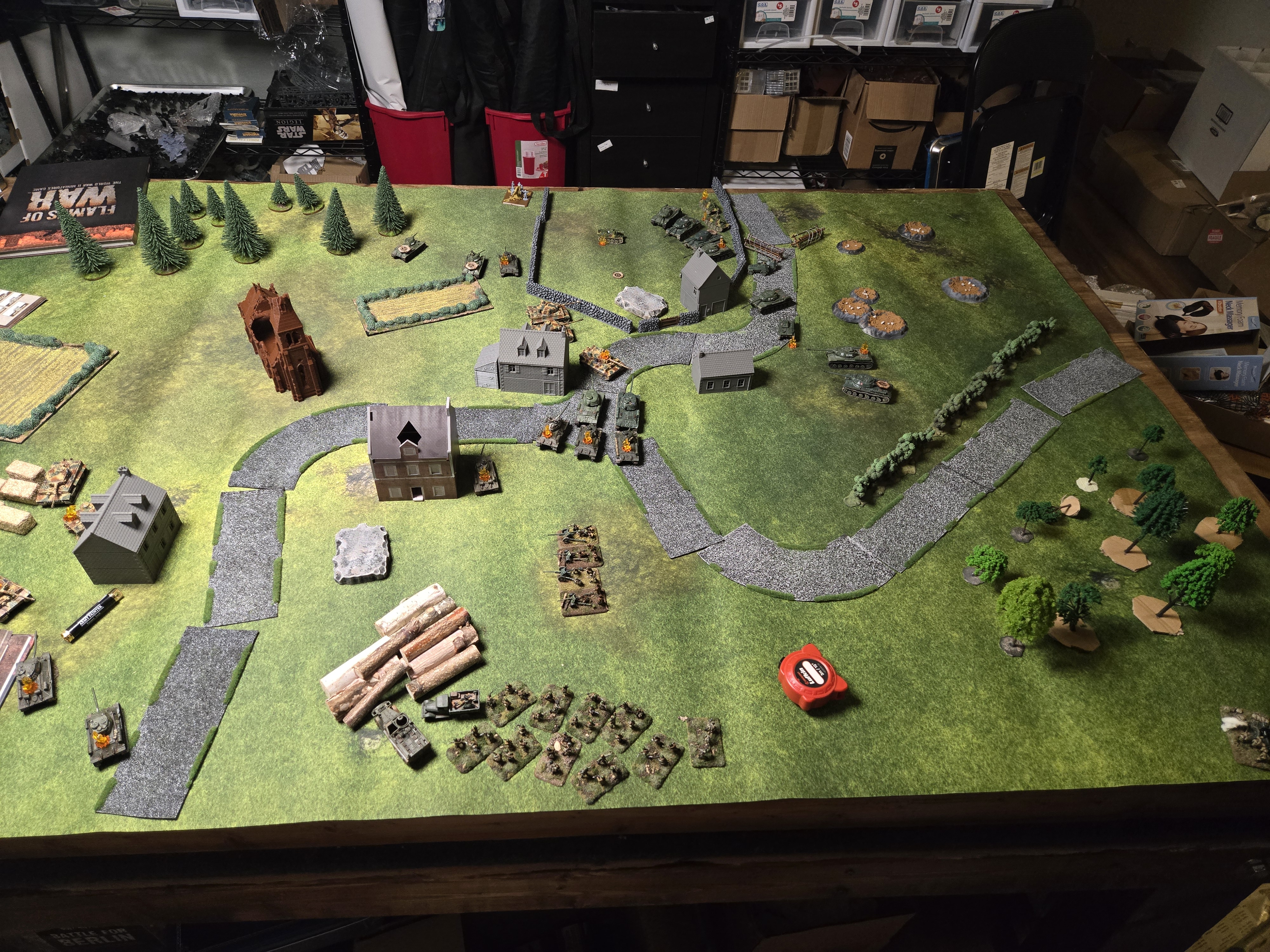
I always recommend starting with the basics. Roads are universal, and scale doesn’t matter much. You can buy some fabric from a local store and cut them out yourself (the cheapest option). You can paint and use cardboard, buy the neoprene roads from Amazon (my top choice), or even look at premium custom-made or 3D-printed options.
The entire above paragraph can also be said about rivers. Add a bridge, and you can have an exciting engagement. Most games allow faster travel along roads, and rivers are always an effective barrier or defensive structure.
Next time, I will add some vegetation; hedgerows and trees are universal among the wargames I played. Star Wars Legion, Flames of War, and Napoleonic all need some vegetation. Adding cover and breaking the line of sight always looks good. I have some expensive custom-crafted trees. I prefer trees for your Christmas village or the bulk boxes of fake trees you can buy on Amazon.
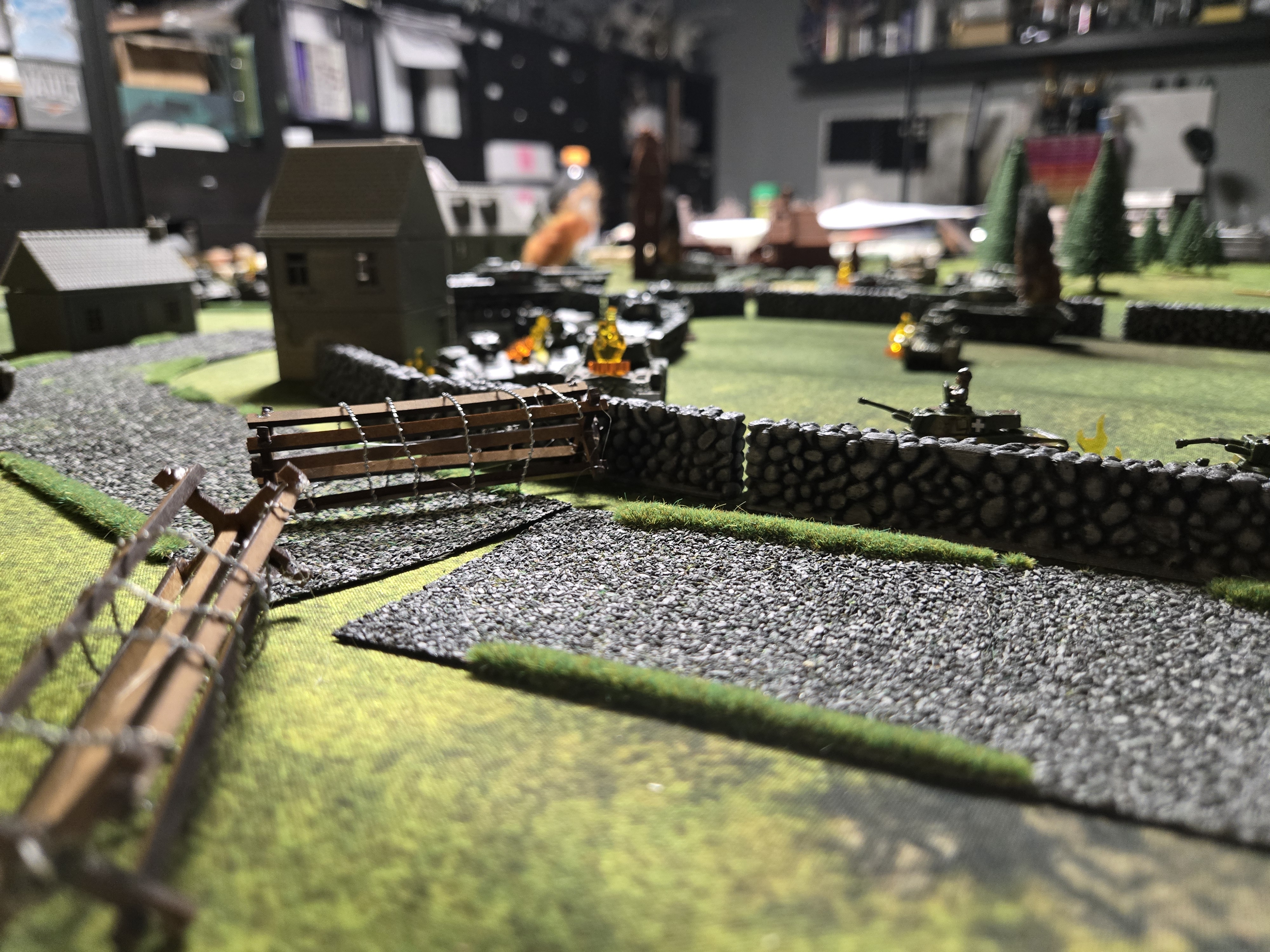
Hedges have always seemed a little trickier. These matter for scale, as a soldier shouldn’t be able to see over one, but a vehicle or mounted knight should. They are also a little harder to find. My favorites are plastic and 3D printing, but you can also find premade ones on Etsy. If you want to try making your own, a few YouTube videos and a trip to a craft store should yield good results.
I also think stone walls are reasonably universal. I use mine in dozens of games; they never go to waste. I buy mine on Etsy, but Amazon and 3d print shops also yield good results.
More Specific Terrain
At last count, I have armies for 47 different miniature wargames. I strive to make my terrain as universal as possible. I don’t add Soviet propaganda to my 15 mm buildings because I also used them in the Napoleonic and Ancient periods. If you’re just starting out, I recommend building one table first.
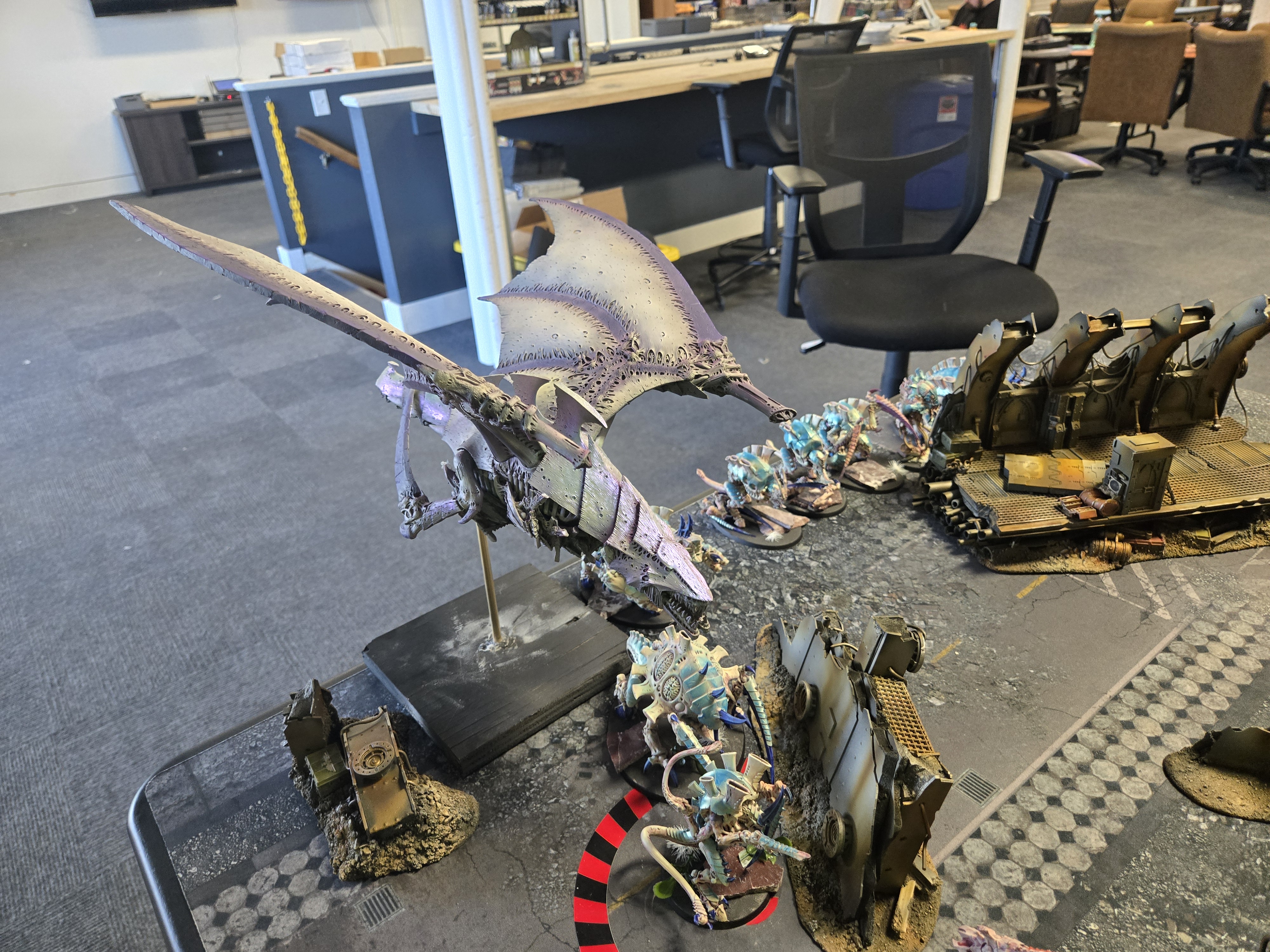
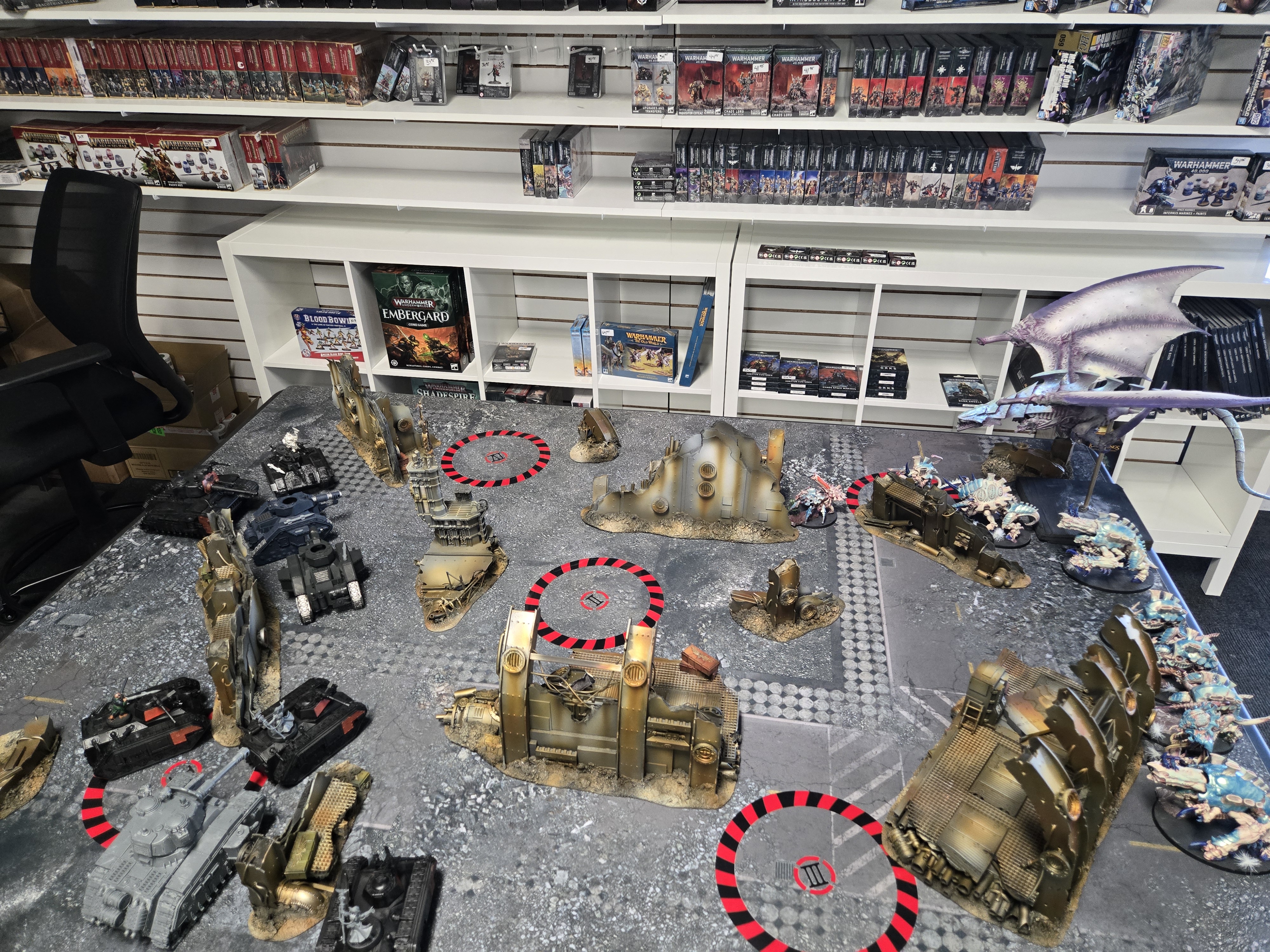
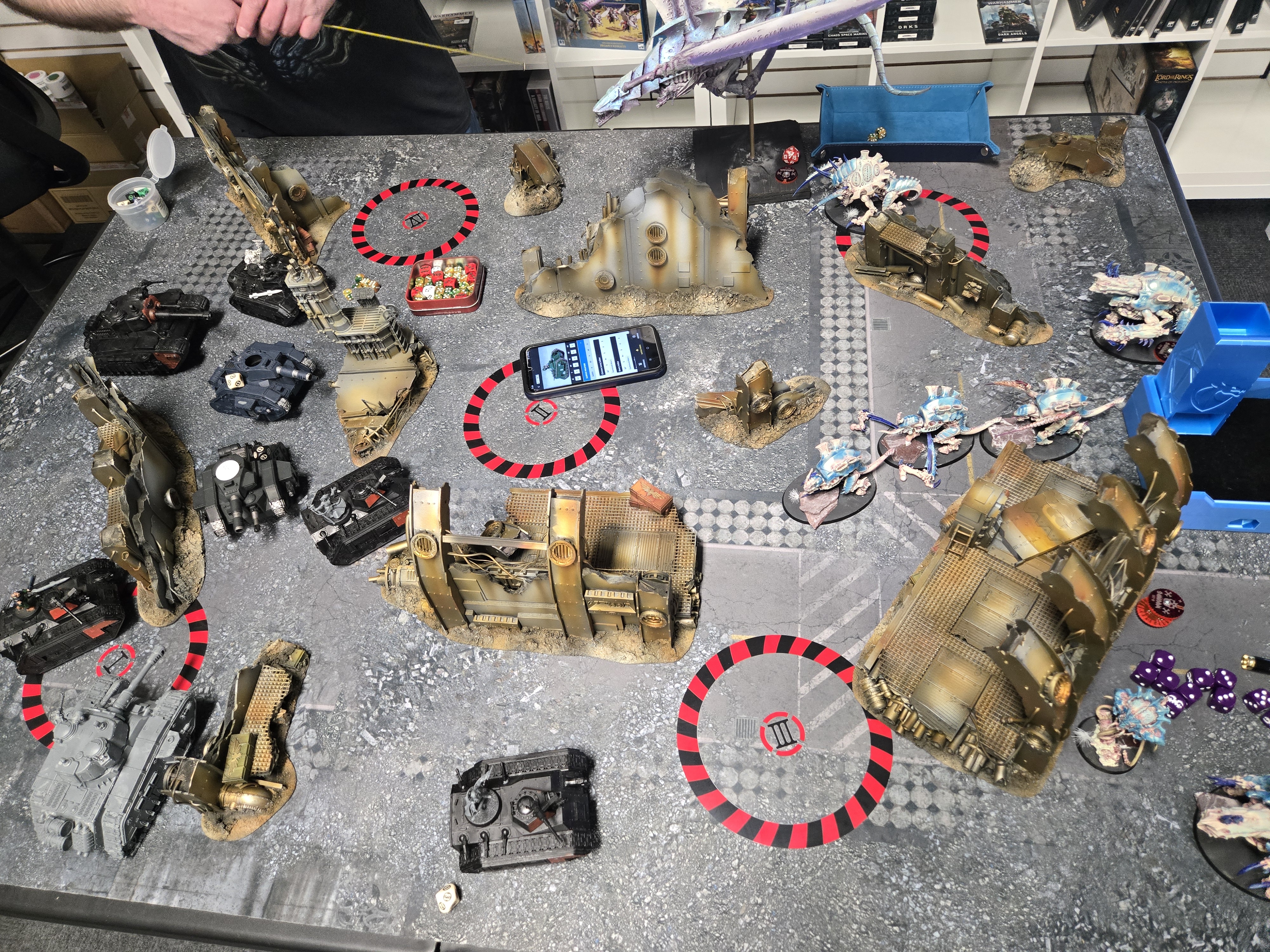
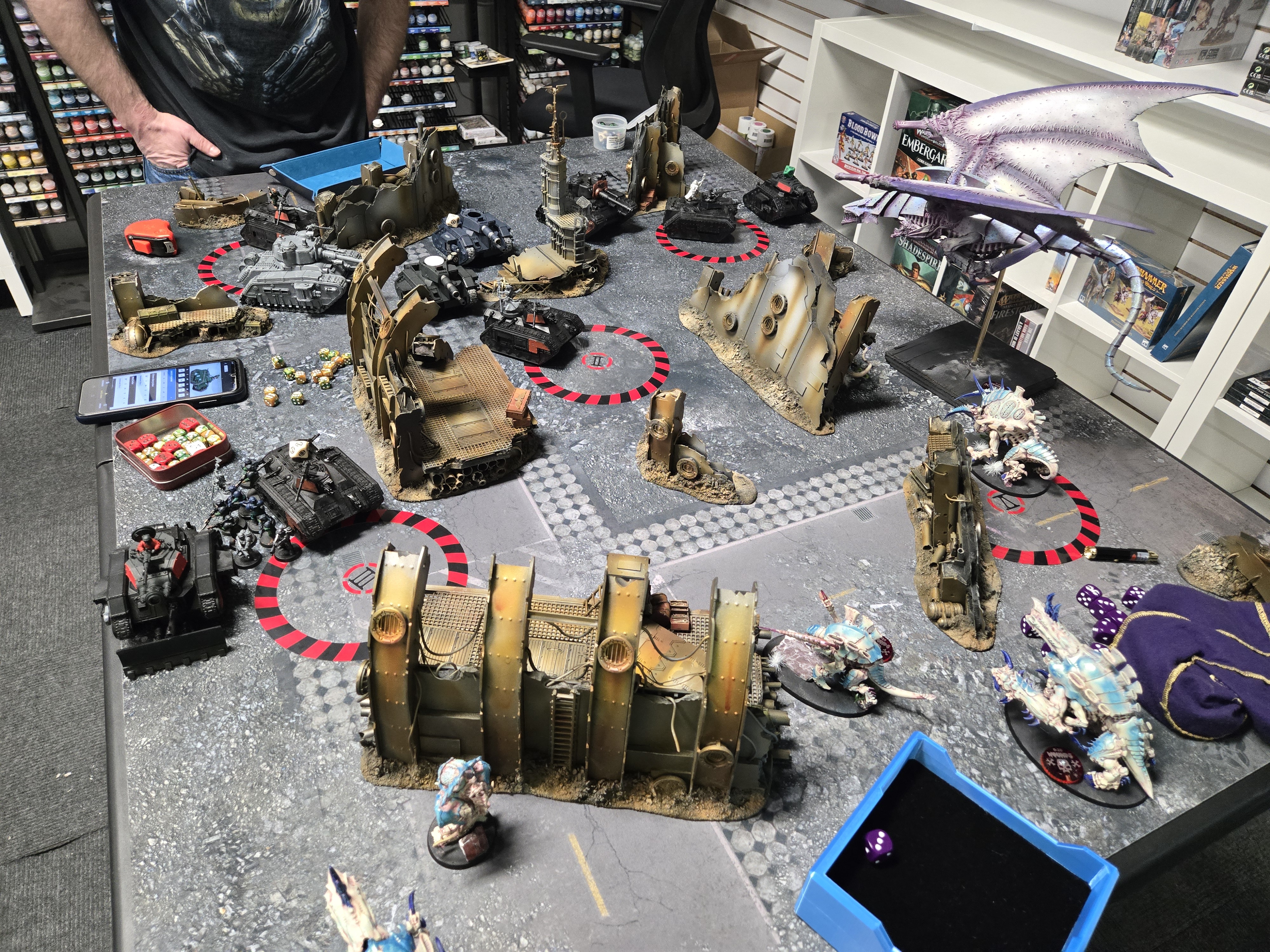
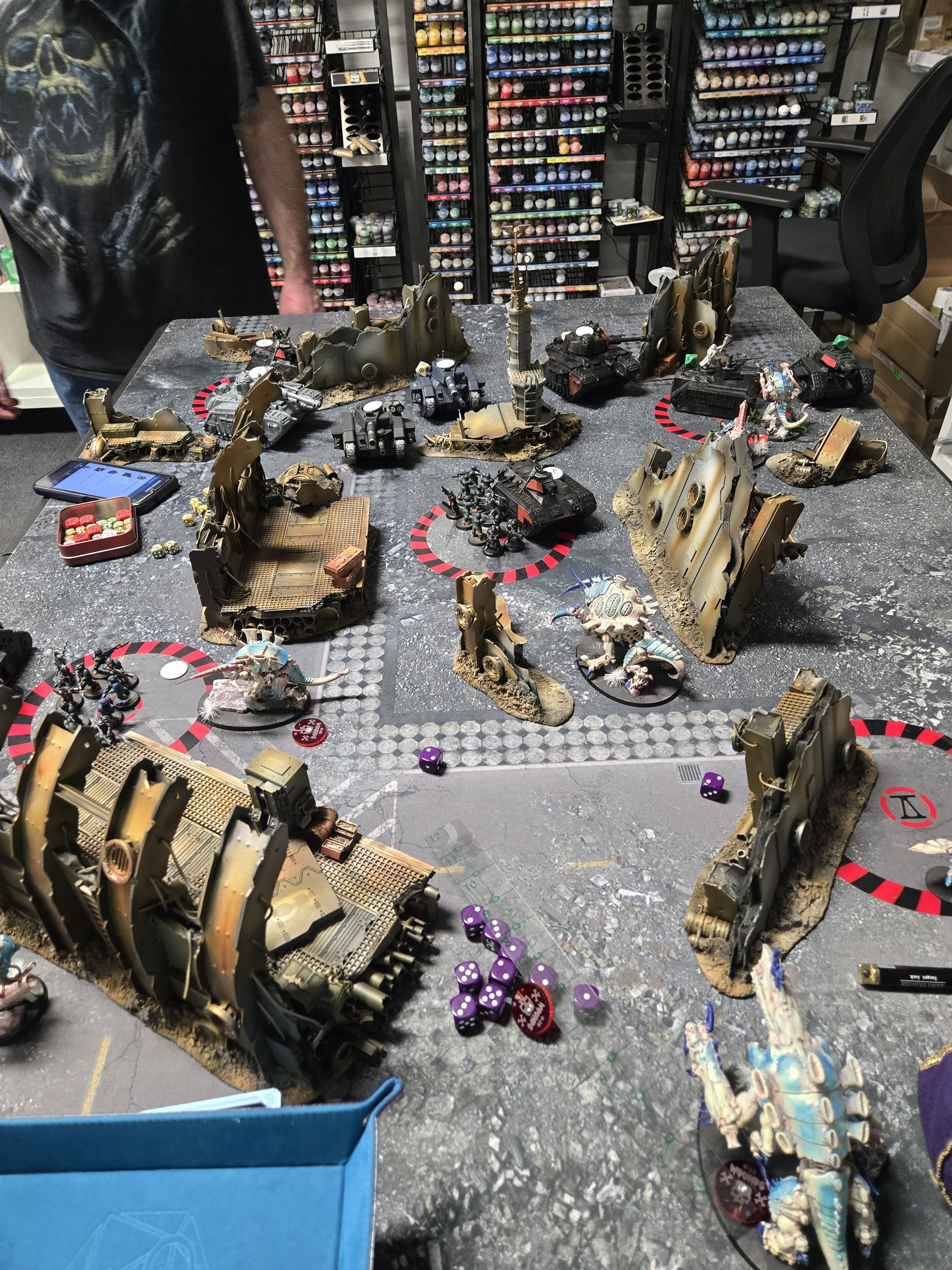
When building a table, look below at the types of games and terrain needed. Don’t worry about walls, fences, or many buildings if you are playing 15 mm Napoleonics with 400 figures on the table. Instead, focus on hills, fields, and forests. If you bought a kill team and want to expand into an entire 40k army, a grimdark ruin (3d print please) with several floors and bits of scatter is more thematic.
As always, buildings and vegetation are unnecessary if you are playing a space game like Billion Suns or a water game like Black Seas.
Types of Games
I classify boots-on-the-ground Wargames into four categories: Squad Actions (10-14 Figures), Skirmishes (20-50 Figures), Army Actions (100 figures plus), and ranked soldiers. There are other categories for naval, space, and airplanes, but that’s how I do it for boots-on-the-ground.
I know you may balk at this, but think: A squad of 10 men may fight over a house, a platoon of 60 men may fight over a compound, large structure, hill, or bridge, and an army will fight over a town or range of hills.
In squad actions, scatter terrain is vital. Broken furniture, light poles, crates, rubble, craters, computer terminals, and market stalls. When you only have 10 figures on the table, you can take your time to enhance some of the details. It generally leads to much more interesting games.
In skirmish games (think Age of Sigmar), you have a force of units on the table and generally move a few models around as a unit. No one would consider your 40-man army a full invasion force, but they look great on the table and strike a nice balance of hobby and playtime. Scatter is less critical here than elevation and line of sight. It rarely comes into play and is often just inconvenient.
In my book, army actions are typically reserved for historical events. I rarely consider using figures larger than 15mm in an army action game. This is when actual land features start to play: hills that hold entire battalions and dozens of cannons. A single fence or wall is inconsequential; the layout is more important. A forest that hides 3,000 troops, a river you can’t just walk across. A hill is several hundred feet high that overlooks a large camp. These are the types of terrain you should be working on. Unfortunately, most of these need to be crafted.
Finally, there are rank-and-file games: Warhammer Fantasy Battles, A Song of Ice and Fire, Kings of War, and Conquest. They want to act like army games, have the model counts of skirmish games, and are exceptionally difficult to move around. I treat them like army games, but I also push for utterly flat terrain. It doesn’t look as nice, but functionality is most important for the game’s playing.
Conclusion
Hopefully, this guide will help. Stay tuned for part 3.


 stonewalljackman