Next, we must discuss mats, trees, hills, and other landscape terrain.
Mats
Mats are used to cover the tabletop. There are literally thousands of designs and hundreds of manufacturers. I consider a good mat to be essential for building miniature battlefields.
The best mats are neoprene with a non-slip rubber backing. They are very similar to mousepads. They are durable, can pack in a ton of detail, and don’t slide around the tabletop. I recommend Frontline Gaming. I think I own 30 of their mats.
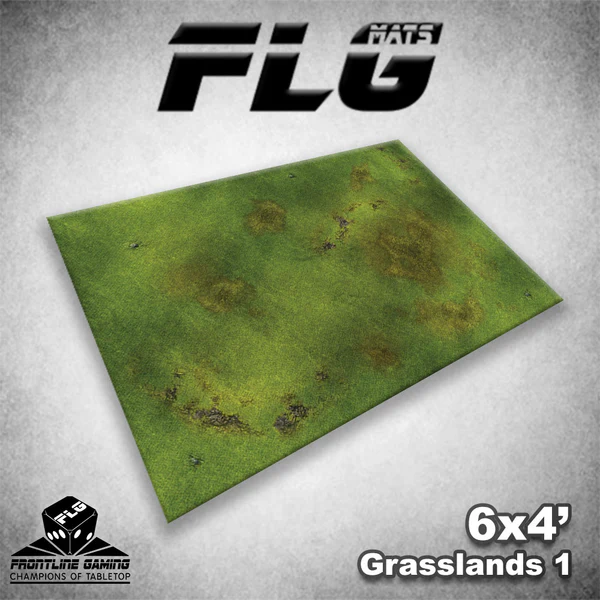
There are several considerations for buying a game mat.
Material Type: As I said before, look for a neoprene mat. 95% of all games will look fine. The only exception would be if you want one of the long grass mats for historical wargaming. These have a very nice texture, but they make a mess, and spiders like to hide in the grass. I try to stay away from cloth mats. They have a better texture than neoprene but are very hard to lay flat, the same with dry-erase plastic and other similar materials.
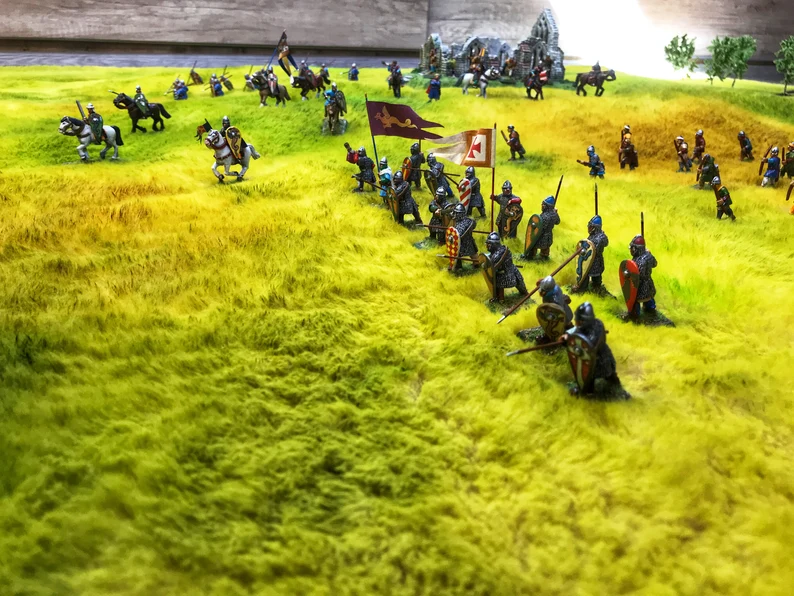
Table size: Don’t buy a mat that is too big for your table. When shopping, the manufacturer will list the mat size; you can typically get the same pattern in multiple sizes. A 6×4 mat should be in the $100 range, but you can often find these on sale.
Game: Know what size your game needs. Star Wars Legion is 6ft. x 3ft., and 40k is 44in. x 60in. For a standard game. I have found a 6ft x 4ft mat works for almost all games, as long as it fits your table. I typically opt for 8×4 mats as that is my table size, and I can always make the battlefield smaller with things like walls, fences, and rivers.
Terrain: My biggest kicker. I don’t want jungle ruins on a moon terrain map. This is one thing that irks me about terrain. You spend tons of money and time making nice terrain, so don’t pick up a mat that matches.
Storage: If you buy a mat or seven, ensure you have a good place to store them. If mats aren’t stored correctly, they will crease. I store my mats in a Christmas wrapping paper bin.
Trees
Trees are very useful in building a wargame table. Many game systems use trees as cover, breaking the line of sight, rugged terrain, and they just look nice.
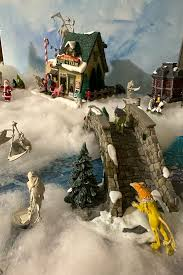
The options for trees are vast. I recommend that your first tree purchase be a Christmas village tree. These are generally cost-effective, scale well, and look fine on the tabletop. They are also quite durable.
Model railway trees are also an option. They are less durable than the Christmas variety but more detailed and typically cost slightly more.
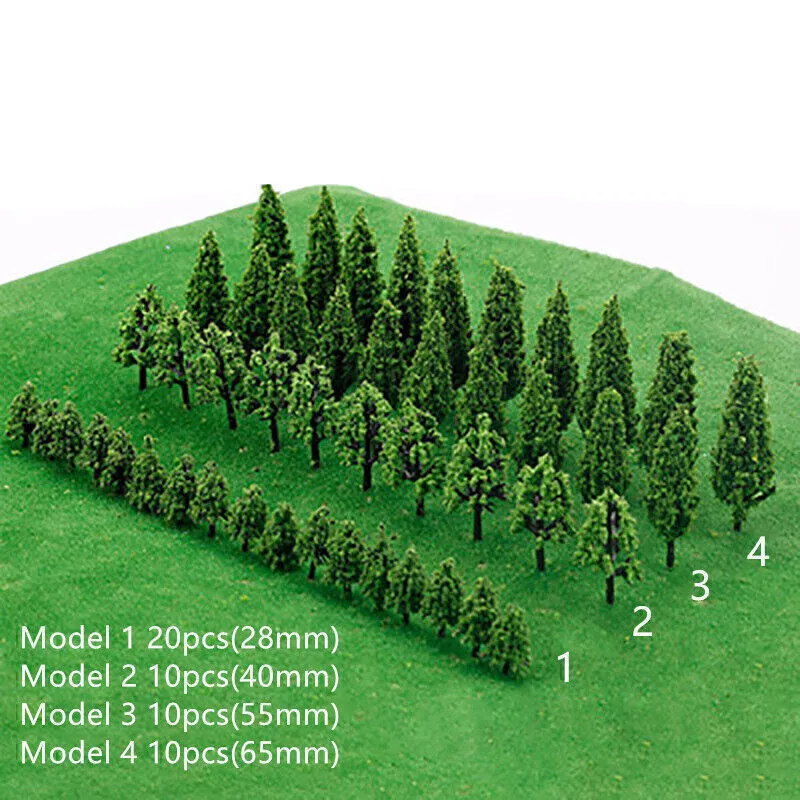
My final recommendation is to search Etsy and see what you can find. If you are crafty, you can make your own. This is one area of crafting where I have never really been successful.
Hills
Ah, the lowly, simple hill. In our hobby, hills are far more challenging than you would think. Miniatures tend to slide down sloped hills. There is rarely a place large enough for a unit of models to stand on.
When you can find a hill that works, it dominates the tabletop. To start wargaming, I would actually stay away from hills altogether. It helps keep your game simple, and most games are designed to be played on a flat field.
If you really want to get into hills with some of your historic games, I recommend flat-topped hills.
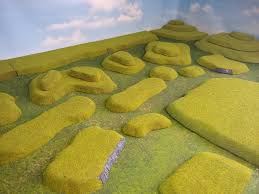
You can place an entire unit on the crest, and they have a good table feel. I would avoid gently sloping hills like the ones I own from Hexeton Hills. They are just too cumbersome on the table.
Other Landscape Features
There is no limit to how much you can put on a table. As someone who plays various games and periods, I lean towards universal terrain and avoid particular items. I try to keep the basics around: rough ground, fields, roads, rivers, ponds, hedges, fences, etc. Most of these have minimal impact on gameplay other than you move 1 inch less, you can’t cross this, and it provides cover. I have found that the more I scatter about the table, the more complex a game can be. They look absolutely incredible, and if that is what you are going for, by all means, make your table as detailed as possible for the best gaming experience. I would skip most of these small terrain items.
Until next time.

 stonewalljackman