June 20th 1944 Battle for the Philippine Sea Wargame Scenario

The final of five primary carrier-on-carrier engagements during the 2nd World War. The Battle of the Philippine Sea was a decisive victory for the Americans. It left little doubt as to who would become the victor in the Pacific theater. 1700 Aircraft, 24 Carriers, 12 Battleships, 30 Cruisers, 100 Destroyers, and 50 submarines participated in the battle.

The casualties were light from a numbers standpoint. 3,000 total KIAs between the two sides. However, 1/3 of the Japanese carrier force was sunk, with another 1/3 damaged. 550 of their 750 aircraft were destroyed.

Order of Battle
Japan 1st Mobile Fleet
Jisaburo Ozawa
3 fleet carriers
6 light carriers
5 battleships
7 heavy cruisers
2 light cruisers
31 destroyers
24 submarines
oilers
~450 carrier aircraft
~300 land-based aircraft

United States
US 5th Fleet
Raymond A Sprunance

Wargame

Game System, Victory at Sea or some other Large WWII Naval Game
2-10 Players
8×16 Table
Forces Needed (see above order of battle)
Large blue mat with one minor island on the edge, containing an airfield

Objective
Win the Battle per the rules of your chosen system

Set Up, divide your forces into the task forces that were historically present at the time. Engage in an all-out brawl to decide the fate of the South Pacific. I recommend reducing the American forces so the Japanese have a nearly even engagement.

Each side could easily control a task force. Historically, the two Japanese carriers were destroyed by American submarines.

Level up your Game

The battle was spread out over a wide area. Put the games in different rooms and have a central commander have to communicate via telegram to the various sectors.
June 19 1821 Battle of Dragasani Wargame Scenario

On June 19th, 1821, during the Greek War of Independence against the Ottoman Empire, one thousand Greek revolutionaries faced off against 2,000 Ottoman cavalrymen. During the battle, the Greek cavalry fled, leaving the 500-member sacred band to face off against 2,000 Ottomans. The Sacred Band was nearly destroyed to a man, while their sacrifice bolstered their cause.

Order of Battle
Greeks
Alexandros Ypsilantis
500 Cavalry
500 Sacred Band Infantry

Ottoman
Kara Ahmed
2,000 Cavalry

Wargame
Use Sharpes Rifles or any other skirmish-style wargame from the age of Horse and Musket.
2 Players
You will need models equivalent to whatever wargame rules you are using. The Greek cavalry should have 25% of the Ottoman cavalry and a similar amount of infantry.

The Greek cavalry never participated in the actual battle, fleeing before contact was made. In this scenario, the Greek cavalry does participate to perhaps change the fortunes of the sacred band.

Set-Up

Place the sacred central on a small hill with the Greek Cavalry in reserve. The Ottomans should have to assault the Greek Position. Whomever wins the battle wins the game.

June 18th 1429 Battle of Patay (Not Waterloo) Wargame Scenario

Today, I am choosing to create a scenario for the Battle of Patay, a crucial battle during the 100 Years’ War that shaped modern France and Europe. I know a far more famous and influential battle took place on June 18th. Here’s the deal: 10,000 people like me have written a slew of wargames regarding Waterloo. Most of them are far better than I could ever come up with. My biggest idea would be allowing the Prussians on the field and having the French try to hold off their assault while the rest of the French army attempted to defeat Wellington.

The Battle of Patay is a classic example of a small superior force taking on a larger, ill-trained, ill-equipped army. The English attempted a similar strategy as had worked in Crecy and Agincourt, relying on their longbows to decimate the heavily armed French Knights and infantry. The French identified the potential ambush and slaughtered the archers before approaching the main line.

Order of Battle
French
La Hire
180 Knights
1300 Men at Arms

English
John Fastolf
2000 Archers
3000 Infantry

Scenario
Baron’s War or other Medieval-style skirmish game
2 Players
50 or 60 models
Heavily wooded terrain
8×4 Table

Objective

After discovering the ambushers, French need to escape the board to French lines to report the position of the English longbows.
English, prevent the scouts from escaping.

Set-Up
10 French outriders should be set up on the furthest edge of the table. The English should randomly assign groups of five archers to different points on the board. I’d create a grid on the table, each section being 1′ by 1′. The English should have ten groups of 5 archers each assigned to a random grid part.

Game
When the French outriders enter a grid that contains English archers, they appear on the table and begin play.

Special Rules
Ambush, when the outriders enter a grid section containing the archers, they appear and get a surprise attack on the outriders.

Line of sight. Getting an open longshot in a dense forest is hard, the archers will need to work to contain the outriders.

June 17th 1775 Battle of Bunker Hill Wargame Scenario

“Don’t fire until you see the whites of their eyes.” William Prescott

2,400 inexperienced American militia went toe to toe with 3,000 hardened British regulars. The Americans lost the ground, but only took 450 casualties to the 1,054 of the British. Historically, the battle was a fighting retreat for the Americans. Which is where our game comes into play.

American Colonists
Led by William Prescott
2400 Militia

Britain
Led by William Howe.

Scenario

To be used with General D’Armee, Black Powder, or any other massed horse and musket battle system.
2 Players
Models needed 10 or 12 militia units, and 16 or so British units
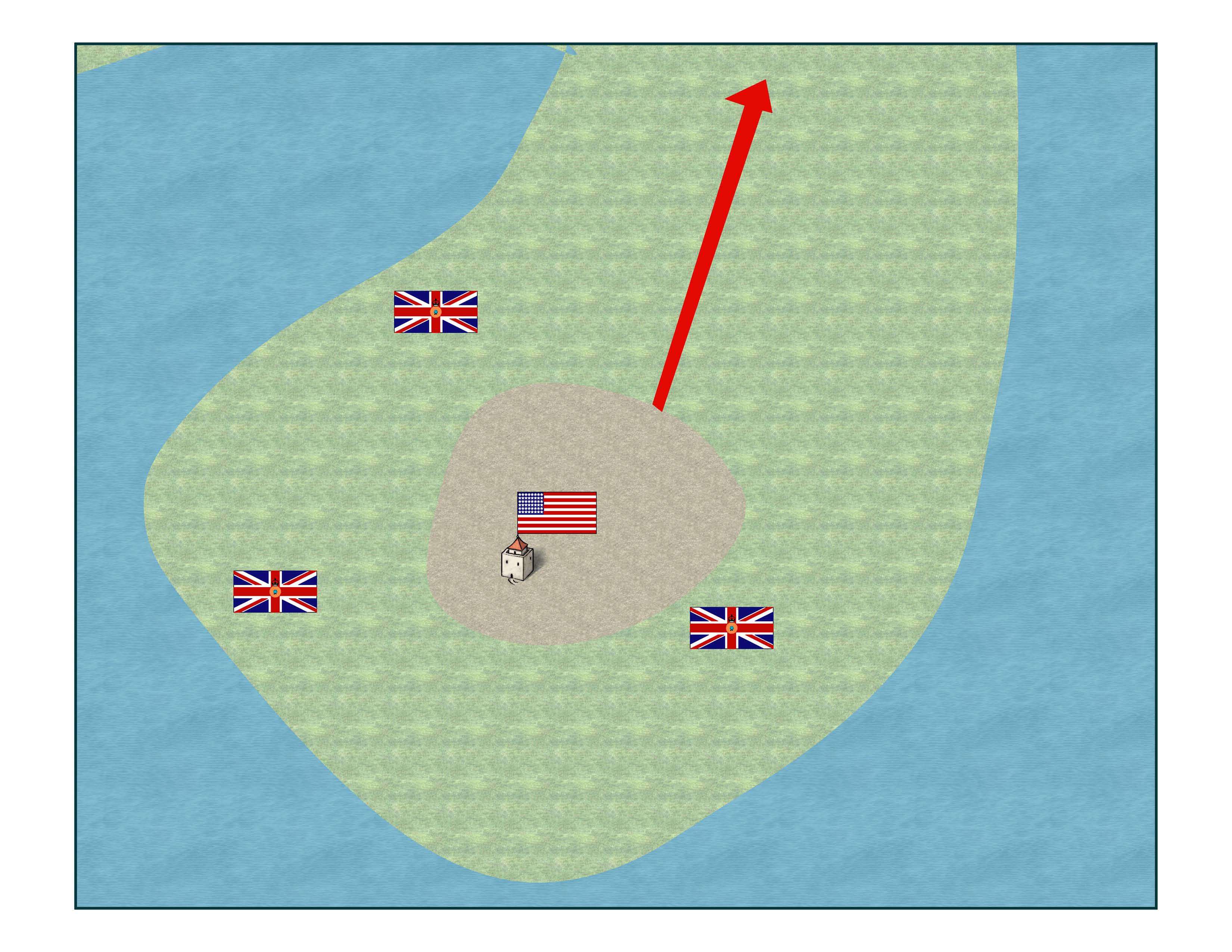
Terrain required: a small hill and a peninsula from an island.

Objective,

The Americans must flee the Peninsula, while the British must try to trap the Americans.

Set-Up

The British should be deployed in three equal forces in the locations shown, while the Americans should be massed in the middle on the hill. The American positions should be somewhat fortified.

No real special rules apply other than the lack of artillery and cavalry.

June 16 1487 Battle of Stoke Field Wargame Scenario

On June 16, 1487, the House of Tudor and the House of York took to the field for the final major battle in the War of the Roses. The rebel Earl of Lincoln took the high ground with his 8,000 troops, essentially mercenaries. The more experienced Royalists, with 12,000 troops led by Henry VII, were ready to end the protracted, bloody conflict.

Many wargamers have recreated the battle of Stoke Field. A quick Google search offers two or three dozen just on the first page. We will provide an alternate battle situation where the Rebels are supported by Scottish rebels from the north. It is not inconceivable, as Scotland long wanted independence, and perhaps for their assistance in helping the Earl of Lincoln lift the crown, Scotland would be granted its sovereignty.

Order of Battle
Rebels House of York, Earl of Lincoln

I think we should keep the number of troops and the deployment the same. Instead of bringing 4,000 poorly armed Irish Kerns, let’s add 4,000 Scottish Pikes plus a commander.

1 Stand Knights As General 32
1 Sub General 32
1 Ally General 22
5 Retinue Billmen 35
20 Retinue Archers 140
20 Scottish Pikes 80
13 Northern Border Foot 39
4 French Crossbows 20

Royal House of Tudor, Henry VII
1 Knight as Royal General 35
2 Knights as Sub Generals 64
3 Stands Royal Body Guards 45
6 Stands as Men at Arms 60
10 Retinue Billmen 70
10 Retinue Archers 70
4 Javelines 32
6 Stands German Pikes 24

Wargame
Ruleset DBM, DBMM, or any other large-scale medieval ruleset
2 Players
Forces Needed are Listed Above
For terrain, a large grassy hill with enough room for the Yorkists to deploy on top.

Objecitves
Each army must destroy the other.

To set up, the Yorkists should take up a formation and position themselves at the top of a large hill, while the Tudors are at the bottom. The Tudors attack.

No Special Rules, unless you want to give the Tudors a Bombard or two.

June 15th 486 Battle of Soissons Wargame Scenario

On June 15th, 486, the Western Roman Empire was in its final stage of collapse. Syagrius of Rome was the son of Aegidius, who was preserving what was left of the Soisson region. The Franks utterly destroyed the tired Romans, who never again controlled any part of modern-day France.

This will be a straight-up engagement. Both sides had around 6,000 troops, and there are too few details to create a unique situation. This battle was wildly essential and led to the creation of the Frankish Empire, which still exists today.

Romans 6,000 soldiers commanded by Syagrius.

Franks 6,000 commanded by Clovis I Ragnachar.

Wargame
For use with DBMM, Hail Caesar, or any other large-format Dark Ages ruleset.
2 Players
6×4 Table

Army Lists for DBMM 400

Romans DBMM 2-83

C in C x1 Reg Kn 28
Sub General x1 Reg Kn 28
Equitates x4 RegCv 32
Legionarii x 8 Reg Bd 56
Auxilia Palatina x10 RegAx 50
Garrisson x6 RegAx 24
Foederati x21 Reg Ax 105
Foederati x7 RegKn 77

Franks DBMM 2-72

C in C x1 Irr Cv 17
Sub General x2 Irr Cv 34
Noble Cavalry x 10 Irr Cv 70
Foot Warriors x81 Irr Wbb 243
Skirmishers x8 Irr Ps 24
Archers x6 Irr Ps 12

No special rules, follow your standard historical wargame rules for this one.

June 14th 1800 Battle of Marengo Wargame Scenario

On June 14th, 1800. The Austrian forces of General der Kavallerie Michael von Melas attempted a surprise attack on Napoleon’s troops across the Bromida River. The Austrians, being numerically superior at the start of the battle, forced back the French. However, a well-timed assault from an incoming French division turned the tide of battle to the French.

Order of Battle (Wikipedia has a very nice, detailed list if you are interested)

French 29,942 soldiers 33 guns
General Napoleon Bonaparte
Corps Lannes
12 Battalions
6 Horse Artillery Cannons
5th Dragoon Regiment

Corps Victor
9 Battalions
4 Horse Artillery Cannons
3rd Cavalry Regiment

Corps Desaix
8 Battalions
4 Foot Artillery Cannons
1 Hussar Regiment

Cavalry Reserve
28 Total Squadrons

Reserve
2 Battalions Genadiers
2 Squadrons of Horse Guards
8 Cannons

Austrians
General der Kavallerie Michael von Melas
30,379 Soldiers, 92 Cannons


Advanced Guard
4 Light Infantry Battalions
4 Cavalry Squadrons
6 Cannons

Right Wing
5 Battalions
6 Squadrons
6 Cannons

Center
24 Squadrons
20 Battalions
8 Cannons

Left Wing
12 Battalions
6 Squadrons
12 Cannons

Wargame Scenario
For use with General D’Armee, Black Power, or any other large-scale Napoleonic Wargame
2-8 Players, players can take control of the entire army on either side, or each Corps/Wing could have a commander as well
French Players will need 31 Battalions, 36 Cavalry Squadrons, and 5 Artillery Batteries
Austrian Players will need 41 Battalion,s 40 Cavalry Squadrons, and 6 Artillery Batteries
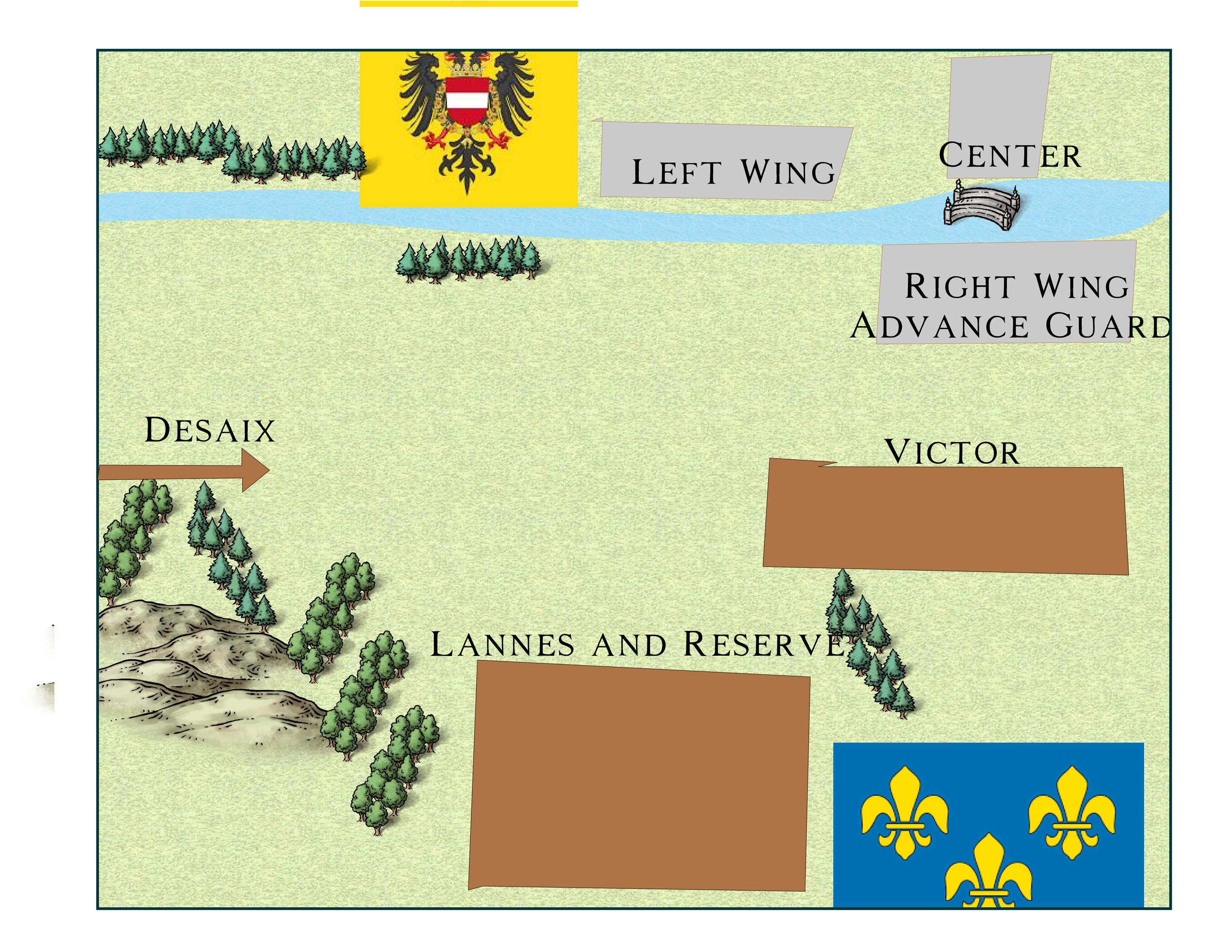
Terrain should have a river near one field edge with a bridge crossing the river. There should be several forested areas and a large hill opposite the edge where the bridge stands
Table Size 8×4 or even 10×4

Objective

The Austrians want to use their numerical advantage to break the French before the French forces can flank them. The French want to hold until Desaix arrives, then break the Austrians using a hard flank attack.

Set Up

During the battle, the Austrians struggled to mobilize all their forces against the French. The Austrians should start with their advanced guard and right wing on the French side of the river, holding a bridgehead while the Center and Left wings continue to cross.

The French should start with the Victor Corps engaged with the advanced guard of the Austrians. Lannes and the Reserve Corps to the rear, and Desaix corps off the table to arrive at turn 10

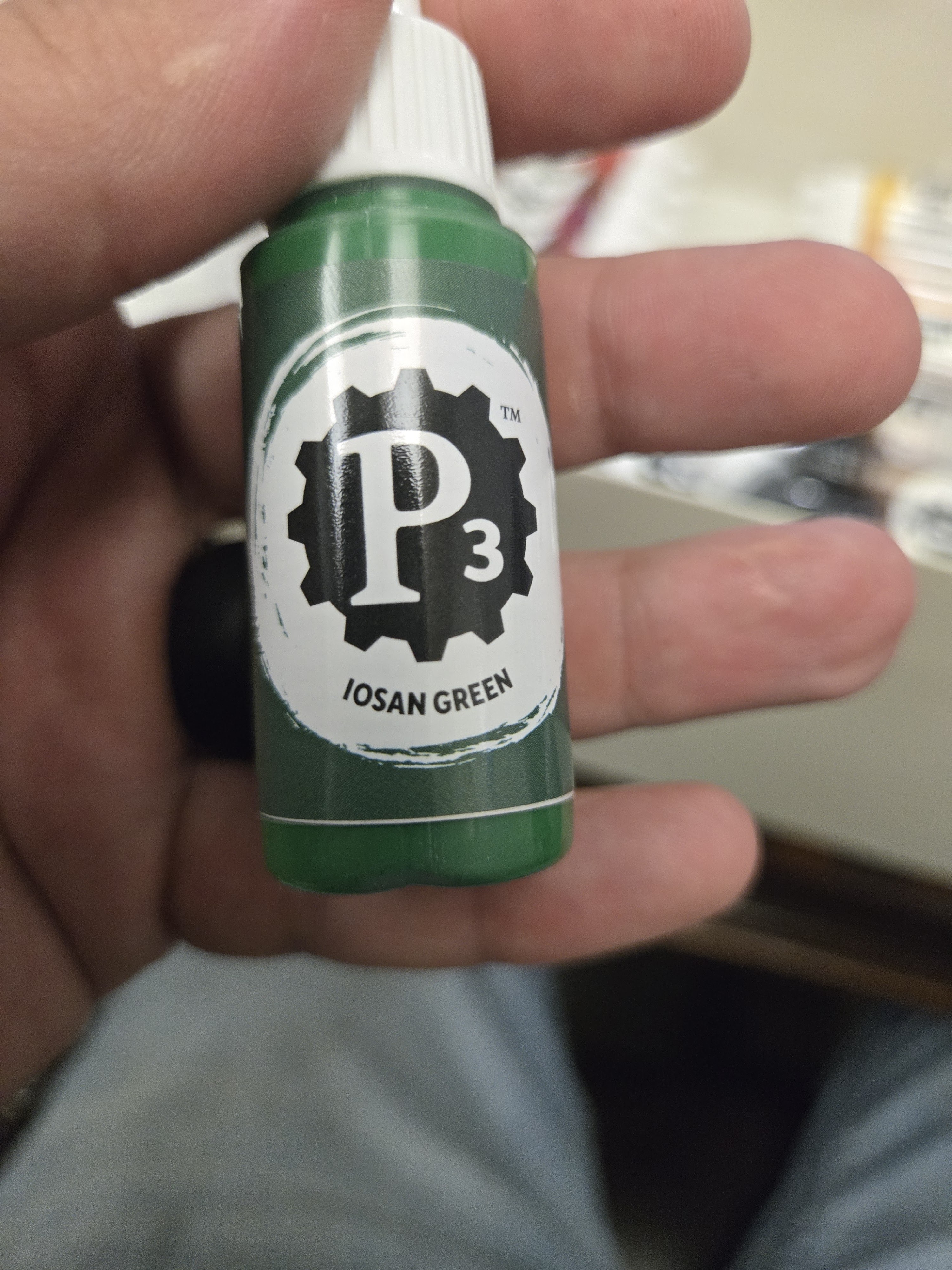
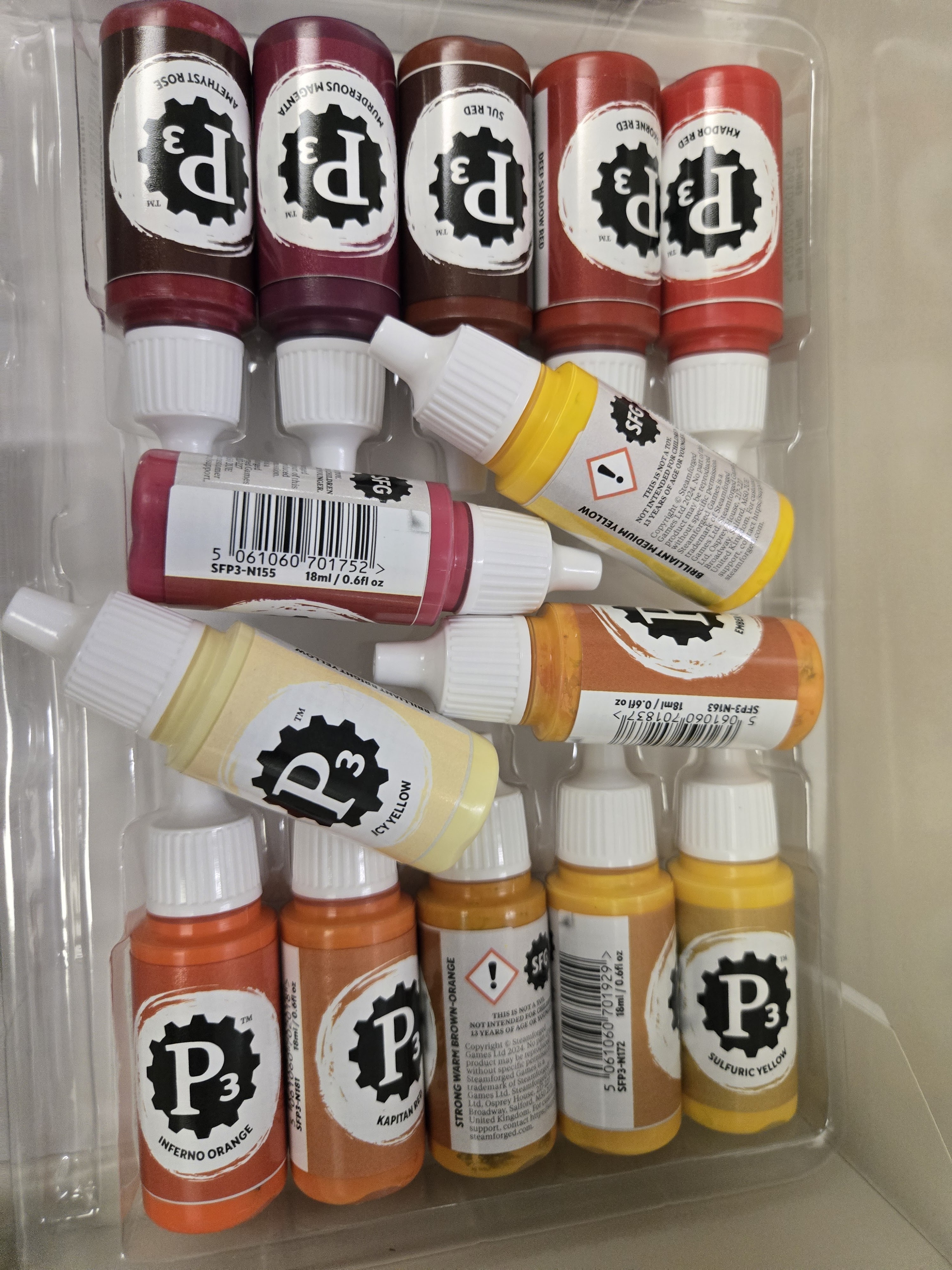
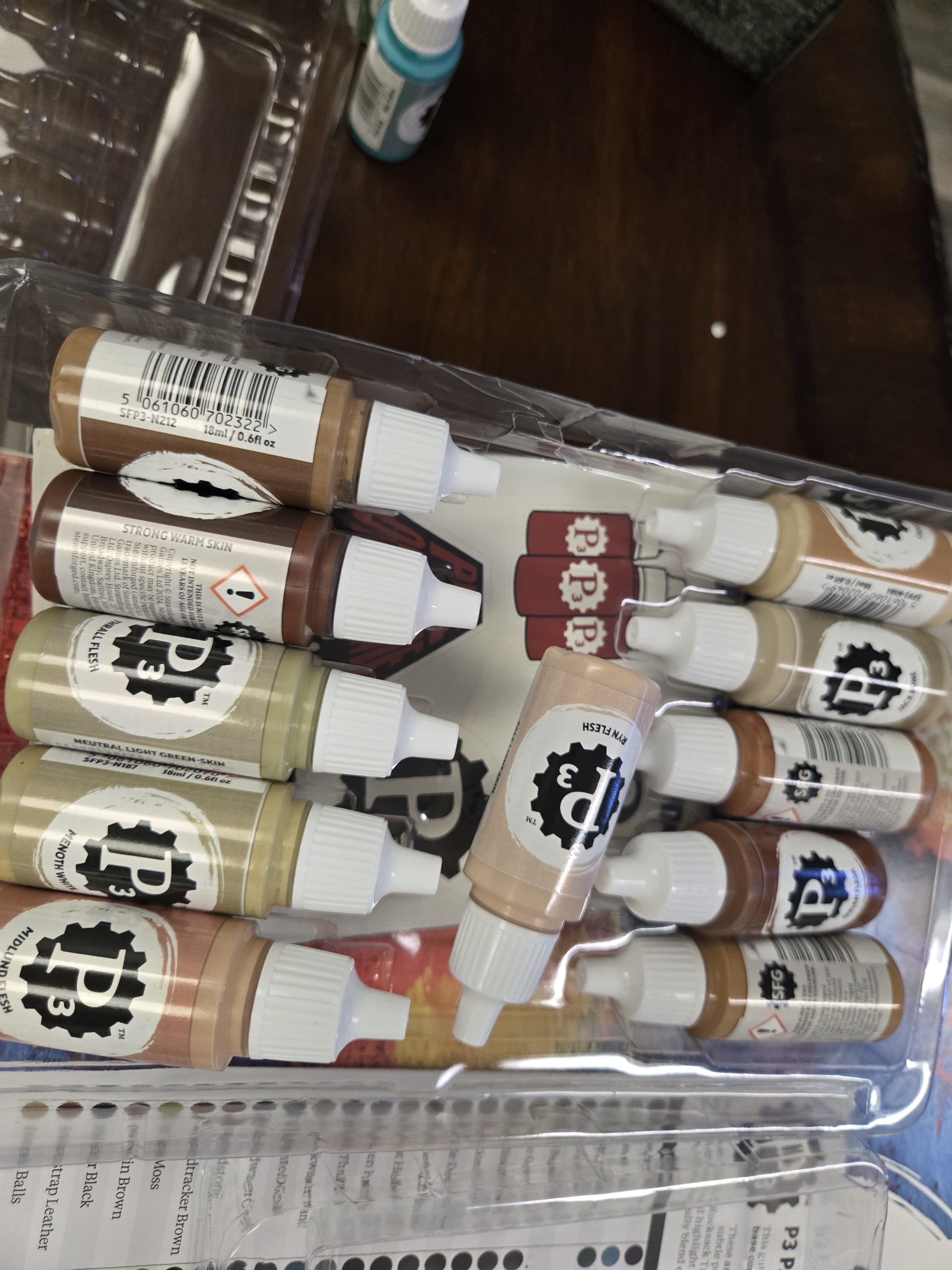
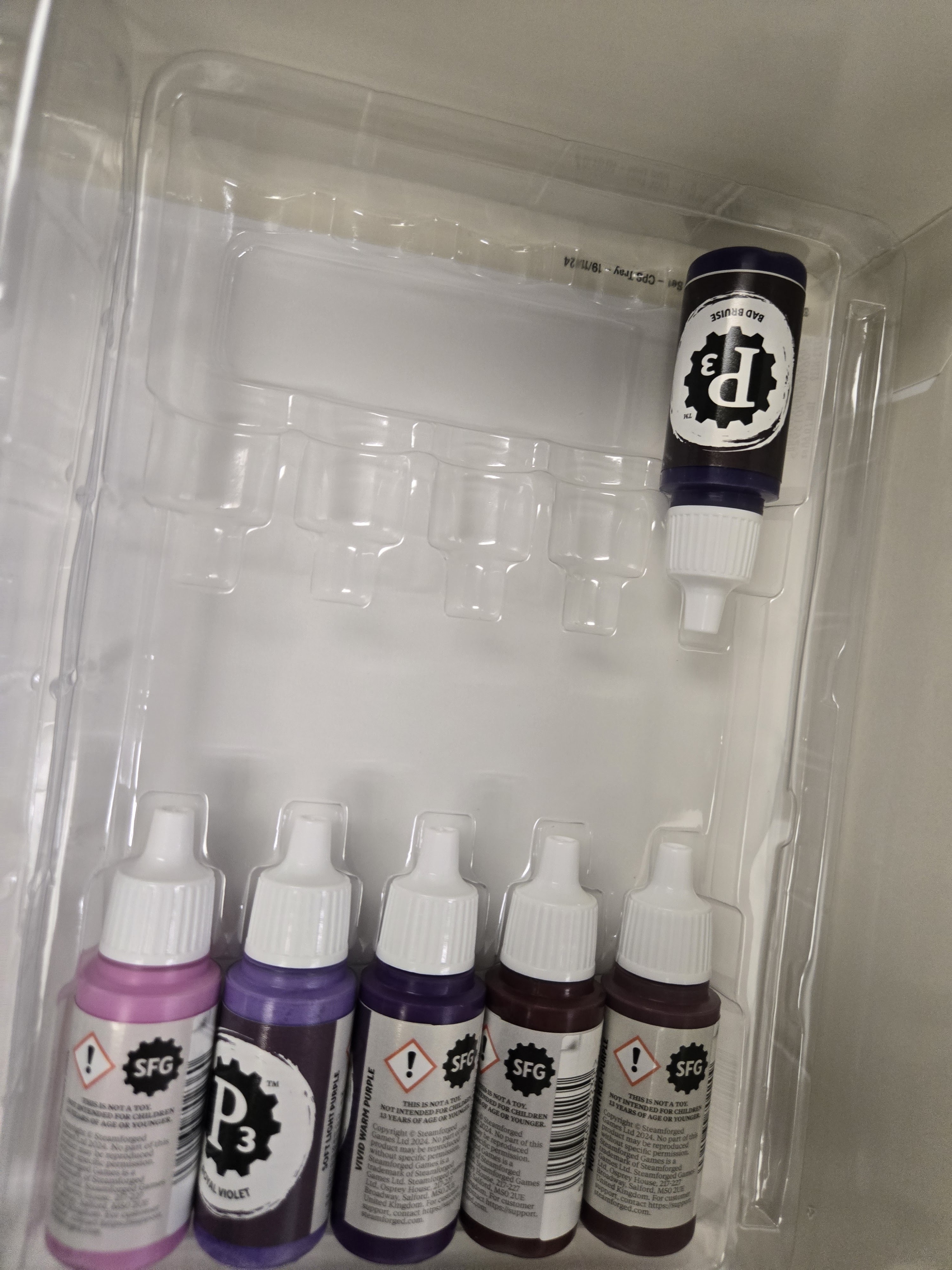
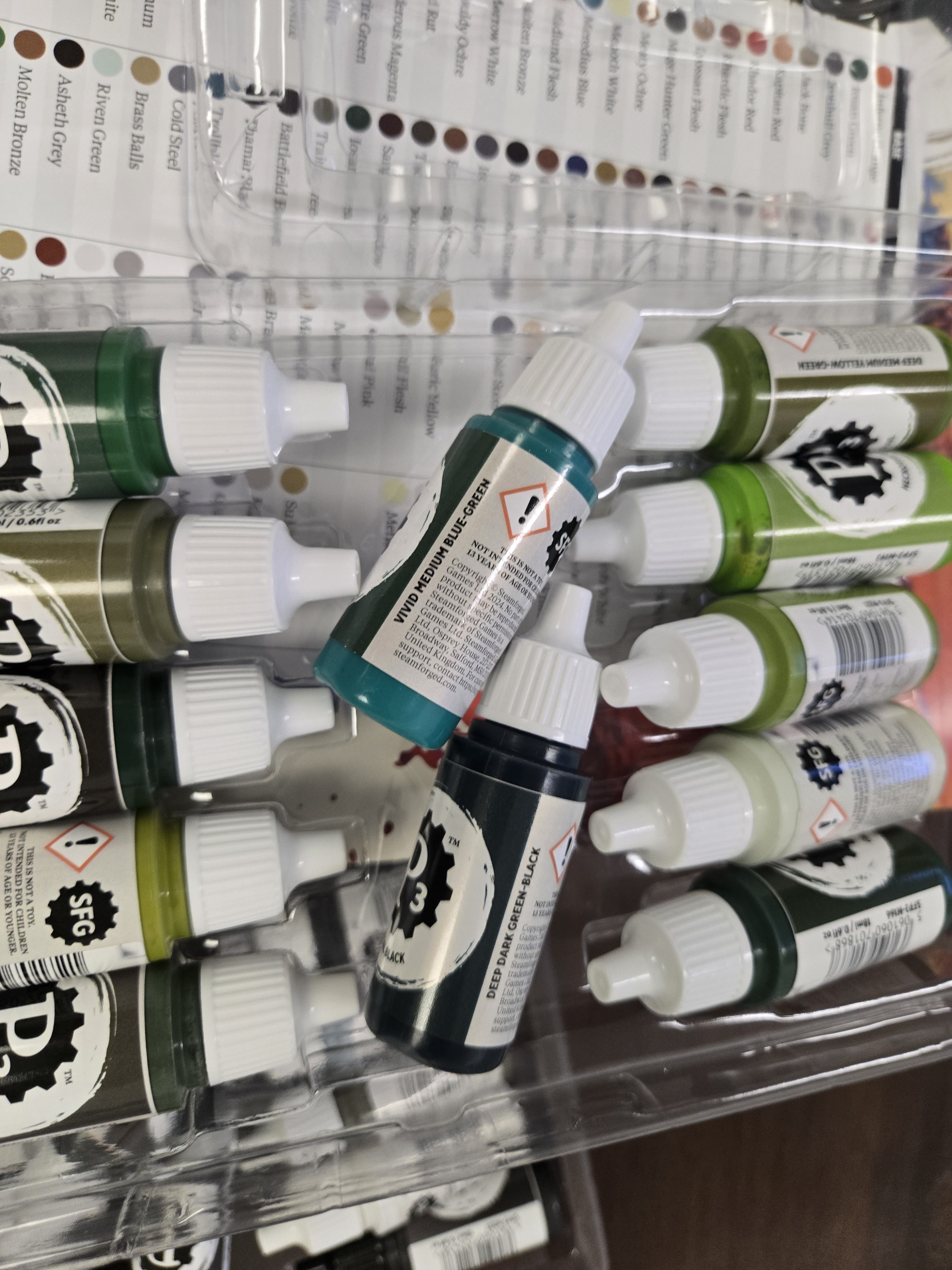
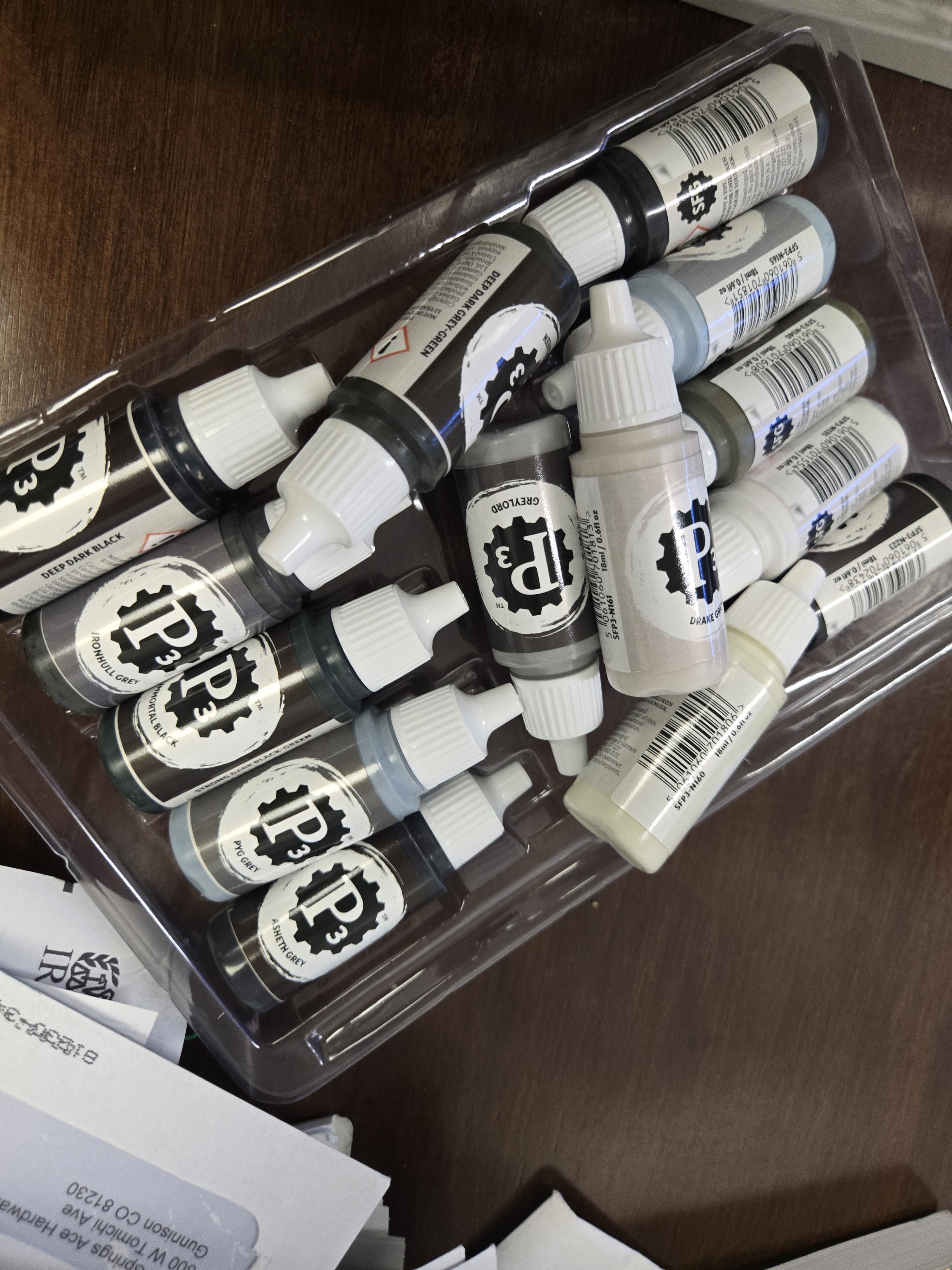
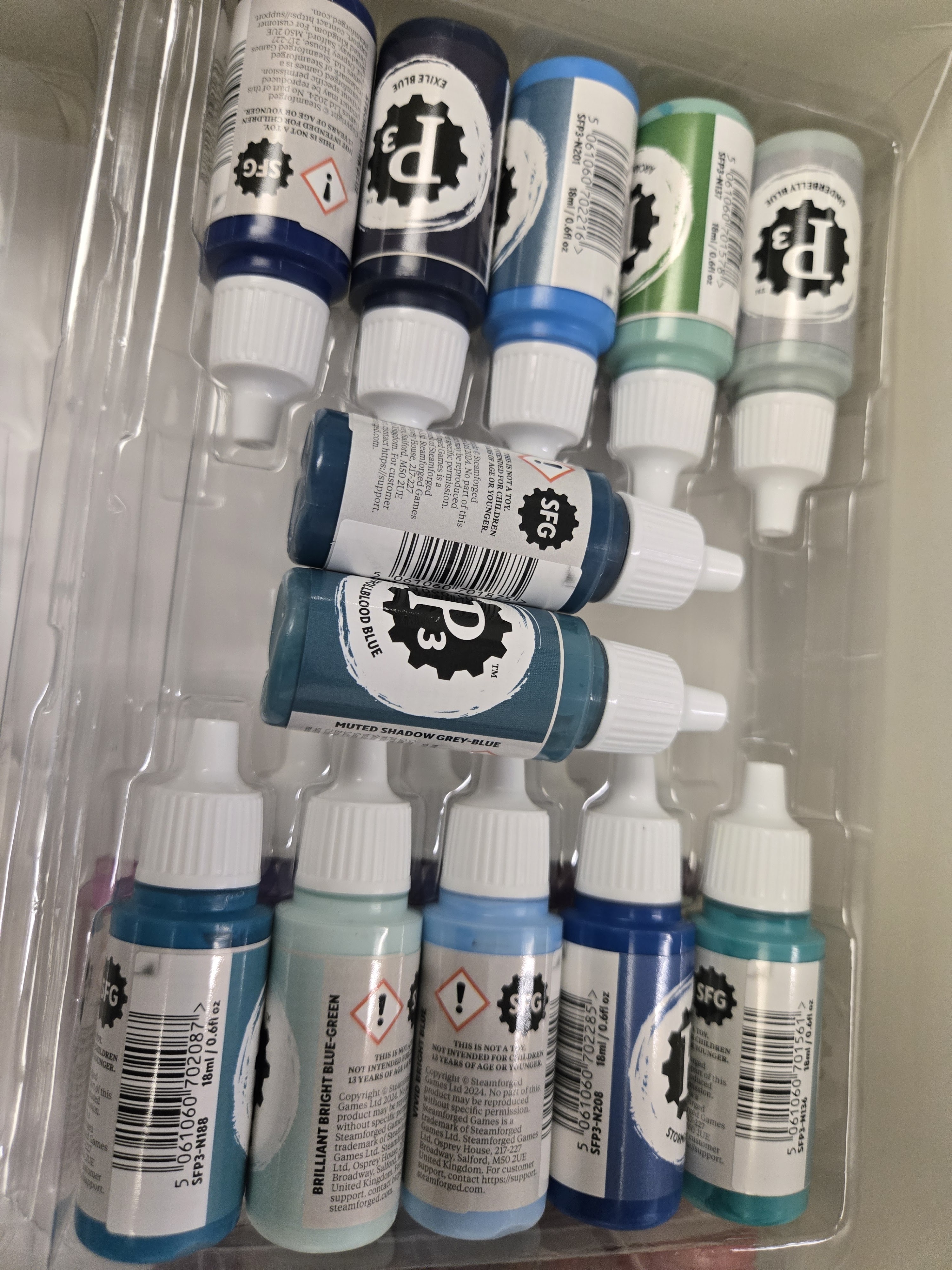
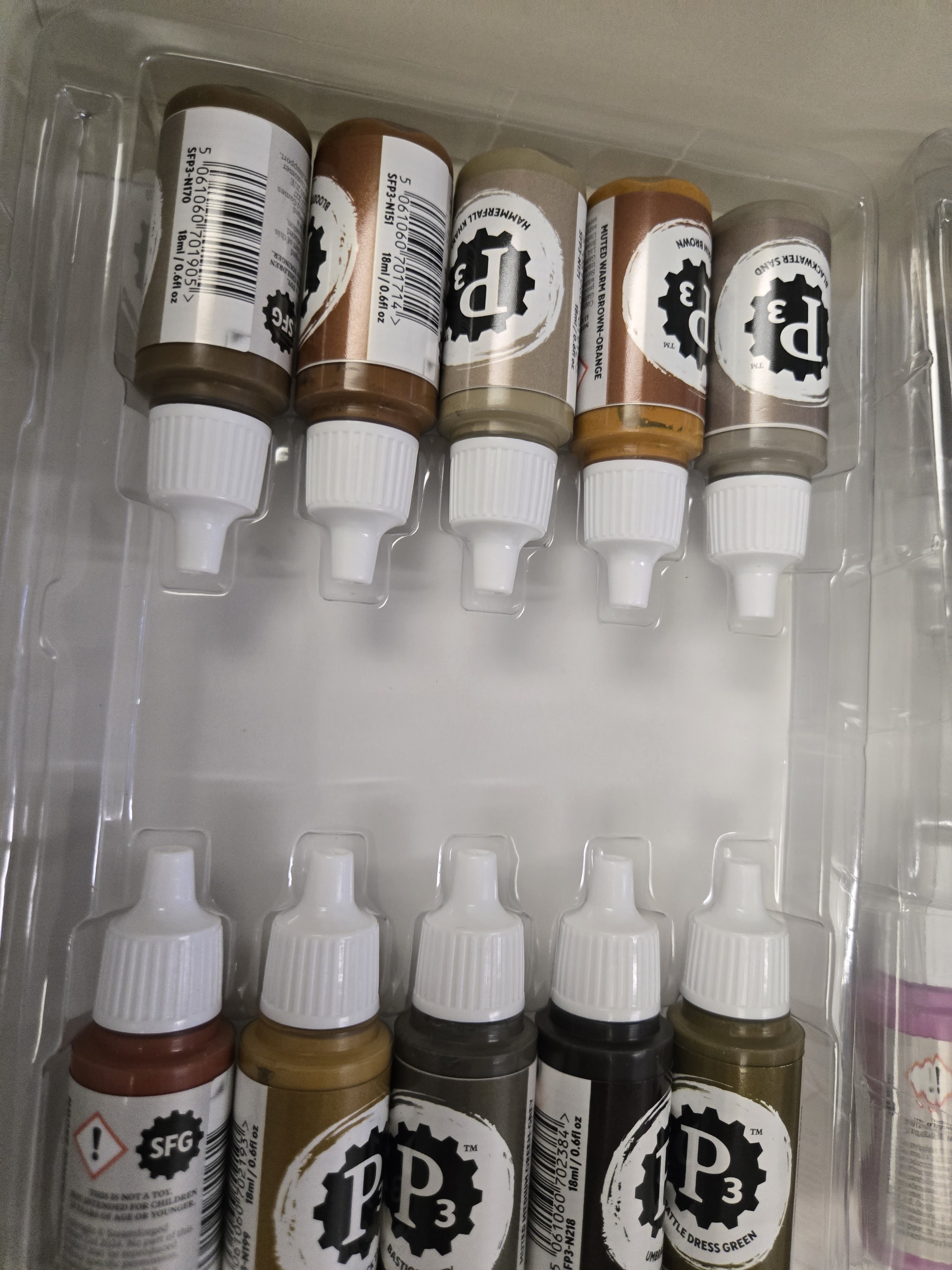
P3 Paints Master Set Acrylic Paints 100 Set Box Opening

The other day, I received a new set of paints from P3. I backed the Early Bird Kickstarter campaign, and purchasing the complete set cost me 256 BPD with shipping.

Conclusion

The P3 Master set is a decent paint set. It has an okay mix of colors. I think it’s a little heavy on the browns and potentially missing two reds, two greens, and a blue or two. You will be missing some items you would expect from Army Painter or Vallejo, where a brush, washes, thinner, primer, and paint mediums are often included with the set.

As I wrote this, I have not tested any of the paints, nor have I ever used P3 paints in the past. Based on reputation, they were the top paints on the market other than Coat d’ Arms. However, with Army Painter and Duncan Rhodes upping the game for paint quality, we will see if P3 can pass the test.

This set cost me 256 BPD, or $347 with shipping. The Army Painter Fanatic Wargamers costs about $300, and a Vallejo set with 76 paints costs $255, so this set is a little expensive. The Reaper set costs $154 and has 52 paints. It is cheaper than Dunca Rhodes Line, which costs $225 for 60 paints.

The Opening

I wanted to do a box opening of the Master Set. The box was a good value, but I haven’t tried the paints yet. That will take me a couple of weeks. I’d like to paint 10 or 12 models to see how they hold up and compare to other familiar brands like Vallejo, Duncan Rhodes, and Citadel.
There was one higher level on Kickstarter, which came with 10 paints and a paint stand. I didn’t feel like it was worth another $75.

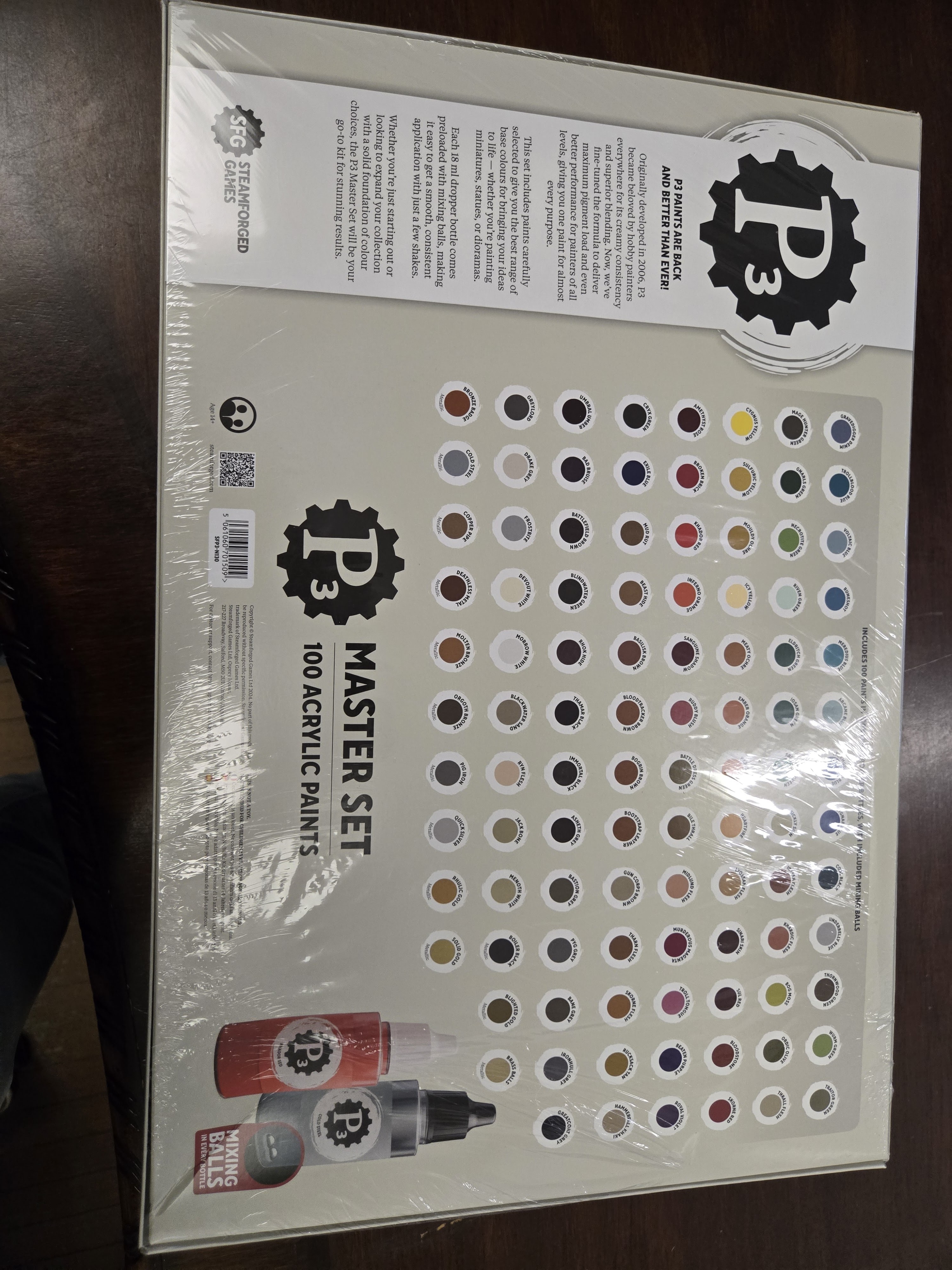
The box is very colourful, and the back clearly shows the paints and colours you will get. I like the organization of the color chart on the back. However, the box itself felt a little flimsy, and I wouldn’t recommend it as a long-term storage solution.

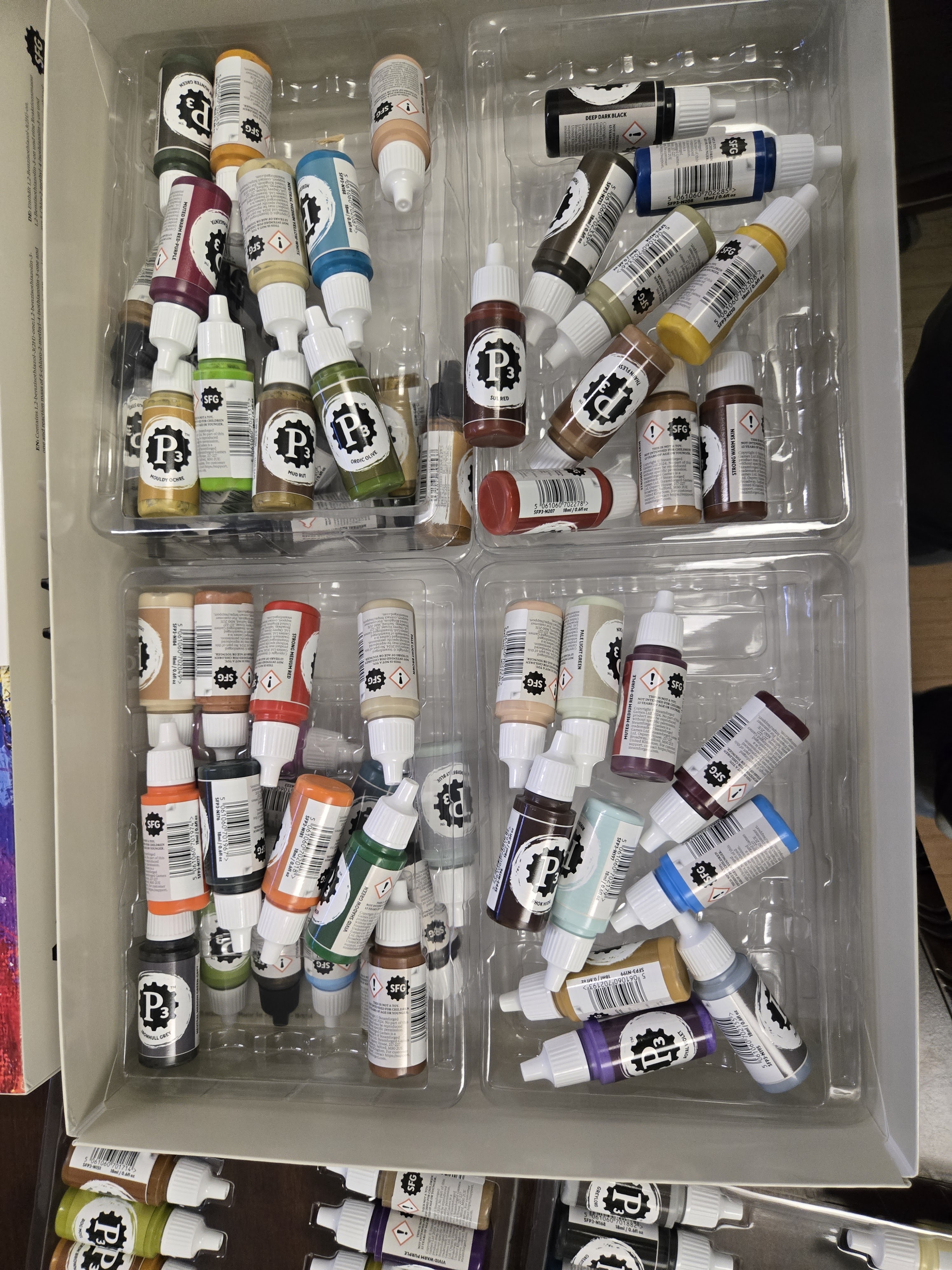
As is typical with paint sets like this, when I opened the box, the paints were no longer in their plastic organizers.

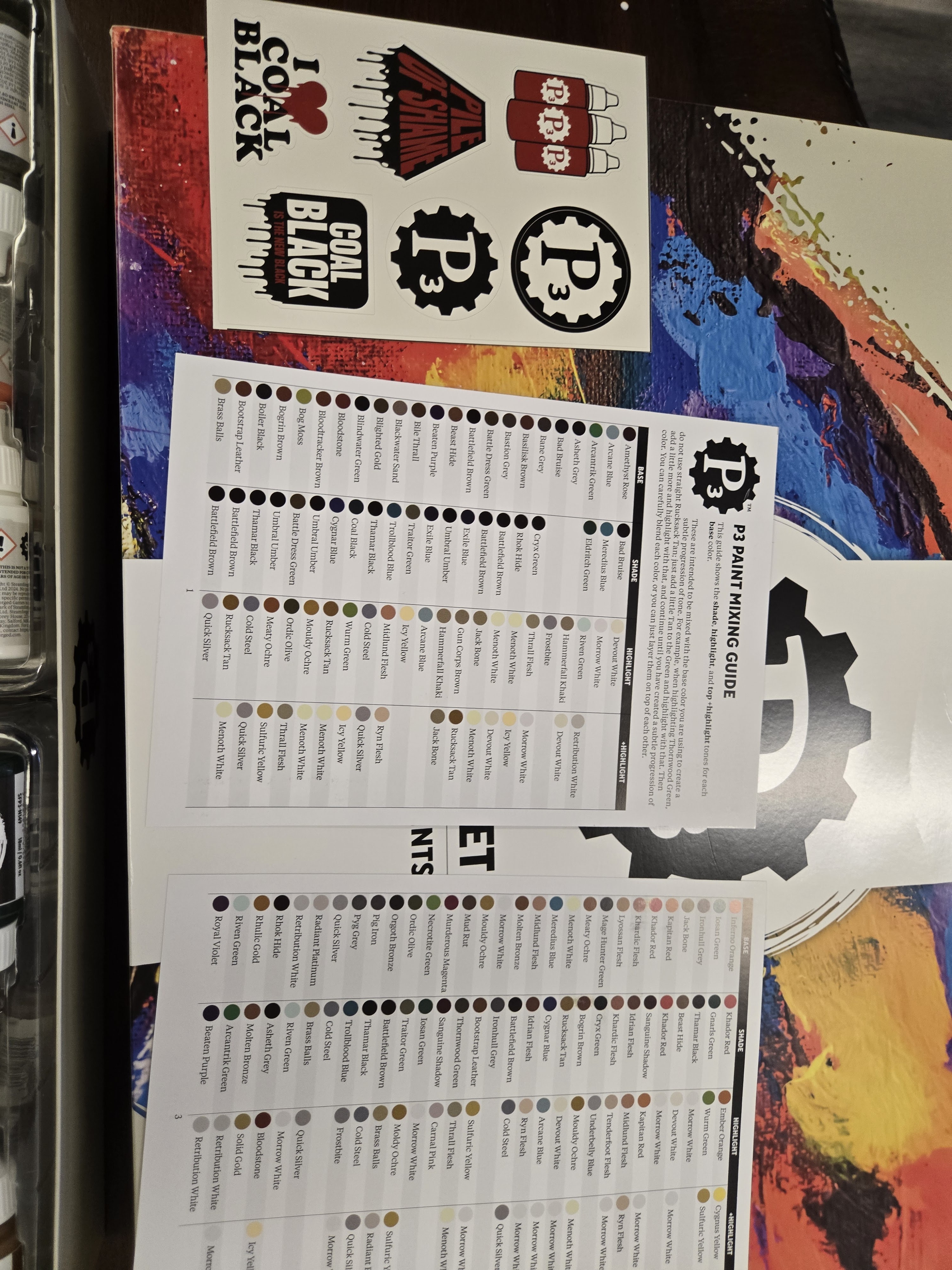
Nothing was damaged or spilled. The box also contained some stickers and a couple of handy charts for paint mixtures and correct layering, which has become typical with brands like Reaper, Duncan Rhodes, and Army Painter.

Each paint label was solidly applied, and you could easily see the tone of the paint through the bottle. The mixing balls weren’t obvious except with some vigorous shaking.

There is a nice variety of colors in the box. However, there were no mixers, such as medium or thinner, primers, or shade paints. Those items are a bit of a miss and are expected in most paint sets I have purchased.

The box contained 12 metallics, 14 oranges and reds, 11 flesh tones, 6 violets, 12 Greens, 14 greys and whites, 12 blues, and a whopping 19 browns, for a total of 100 paints.

June 13th 1982 Wireless Ridge Wargame

On the night of June 13th, 1982, British Commandos attempted to seize a hill owned by Argentinian forces near the Argentinian capital.

British Forces
Lt. Col. David Chaundler
3rd Commando Brigade
2nd Para Parachute Regiment
29th Commando Regiment
600 Soldiers, 4 Light Tanks, Light Artillery

Argentina Forces for the Argentina forces, I would use the Australian army list.
Lt. Col. Omar Gimenez
7th Infantry Regiment
10th Cavalry Squadron
500 Soldiers

Wargame Scenario

2 Players
Should be used with Modern Bolt Action
6×4 Board
The British should have a force of approximately 1000 points, only taking a maximum of a single light tank, while Argentina should have 750 points. Tanks are not allowed for Argentina. The British player should also have a free artillery strike during the game.
The battle should occur with the British moving up a hill where the Argentine forces are defending, but not well entrenched.

Objective
The British win if they secure the hill; Argentina wins if they repel the British attack.

Set Up

The British should take a position on the downward slope of the hill owned by the Argentines. There should be some cover, trees, ridges, and small outbuildings. The Argentinians should be at the top of the mountain with decent cover in buildings, sandbags, and such.

Special Rules

The battle follows night fighting rules
The British player gets a single artillery strike that must be in LOS of the commander of his forces. 5″ blast template.

June 12th 910 Battle of Lechfield Wargame

The first battle of Lechfeld on June 12th, 910, was pivotal during the early Hungarian invasion of Europe. The Hungarians were in their third year of invading the Kingdom of East Francia. HistroyMarche on Youtube has a very nice video and summary of the battle with preludes and after effects.

The battle turns out to be a very nice wargame. We start the game with the Francia army beginning to feel confident and the horse archers tired.

Ruleset DBMM
Table 6×4
Terrain Trees and Forests on the outskirts, the battle should be played lengthwise rather than widthwise.
Models Needed (see below)

Francia Louis the Child DMBB 3-53

15-17,000 men.
10,000 Spear Infantry
4,000 Archers
2,000 Cavalry

3 C in C 57pts
10 Milities Irr Kn 90 pts
72 Spearmen 216 pts
12 Archers Irr BW 36pts


Hungarians (Maygar) DBMM 3-30

No defined commander
8,000 Light Horse Archers

3 C and C or Sub Generals 57 pts
86 Bases of Irr Light Horse 344 pts

Set Up

The Francis army should be set up entirely on the field in a formation of the players’ choosing. The Hungarian army should have 50% of its army deployed near the Francia lines, with the remaining 50% hidden in the trees. The trees should gradually close in. The Hungarian player should select a point between 18″ and 12″ from his table edge, so that once the Francia player crosses that point, he can spring his ambush. Once the Francia player crosses that point, the other 50% of Hungarian forces will appear on either long table edge.

Objectives

The Francis army should do everything it can to win the battle before being ambushed. The Hungarian player must try to draw the Francis player in.