My absolute favorite set of wargames to play is fleet-level engagement. In outer space, or WWII, or the Age of Sail, or Galleys. It doesn’t matter, I enjoy fleet battles. When one of the famous naval battles from history hits my calendar, I am going to do a scenario about it.
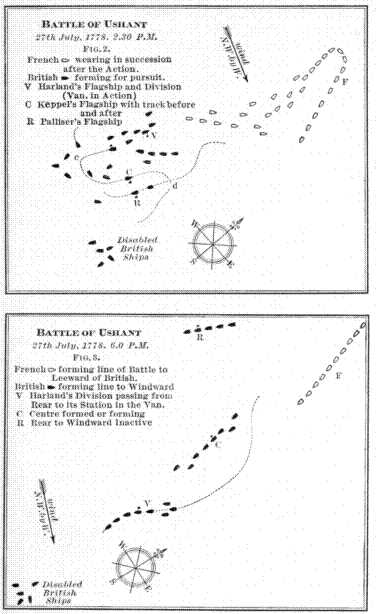
The Battle of Ushant was about as close to a non-battle as possible. The French were instructed to avoid battle at all costs, while the British failed to properly engage. We will simulate what might have happened had the sides actually engaged.
Great Britain Augustus Keppel 2470 Total Guns 30 Ships of the Line – 15 74 Third Rates – 1 80 Third Rate – 7 64 Third Rates – 6 2nd Rates – 1 First Rate 6 Frigates – 1 32 Gun – 4 28 Gun – 1 20 Gun Two Fire Ships One Sloop
France Comte D’ Orvilliers 2322 Total Guns 30 Ships of the Line – 12 74 Third Rates – 11 64 Third Rates – 2 80 Third Rate – 1 70 Third Rate – 1 Second Rate – 1 First Rate – 2 Fourth Rate 7 Frigates all 32s 6 Corvets Totaling 52 Guns
Wargame Rules Black Seas or Other Rulset Table Size 16×8 Players 2-8 No Terrain
Wargame You can fight this battle two ways, either A go at it as admirals. The French should have superior mobility but inferior firepower. The other option is that historically, the French needed to tack across the British line of battle to escape to the open ocean. Set the weather gauge between the two fleets, and the French must flee without losing any of their ships of the line.
The Battle of Sluys in 1340 was a major naval battle during the Hundred Years’ War. It was also a tragic defeat for the French. The French outnumbered the English and had better warships. However, their tactics caused complete and utter defeat.
English King Edward 150 Ships, mostly Cogs
French Huges Quieret 230 Ships, mostly Galleys
A cog was a single-masted warship. The English did not have a purpose-built military navy at the time; instead, they would seize shipping cogs and retrofit them with wooden ‘castles’ for war. The French took their experience sailing the Mediterranean using agile shallow-drafted galleys and put them to work in the English Channel.
During the battle, the English could use their superior longbows to wreak havoc on the French Galley. Because the French chained their ships together, they were essentially immovable. The Cog’s height also prevented any significant boarding actions from the French.
Wargame
For Use with the Baron’s War or Other Medieval Skirmish Game 2 or 3 Players Forces Needed: 20 or 30 English Archers and 15 Men at Arms, 40 French Crossbows and 60 Men at Arms
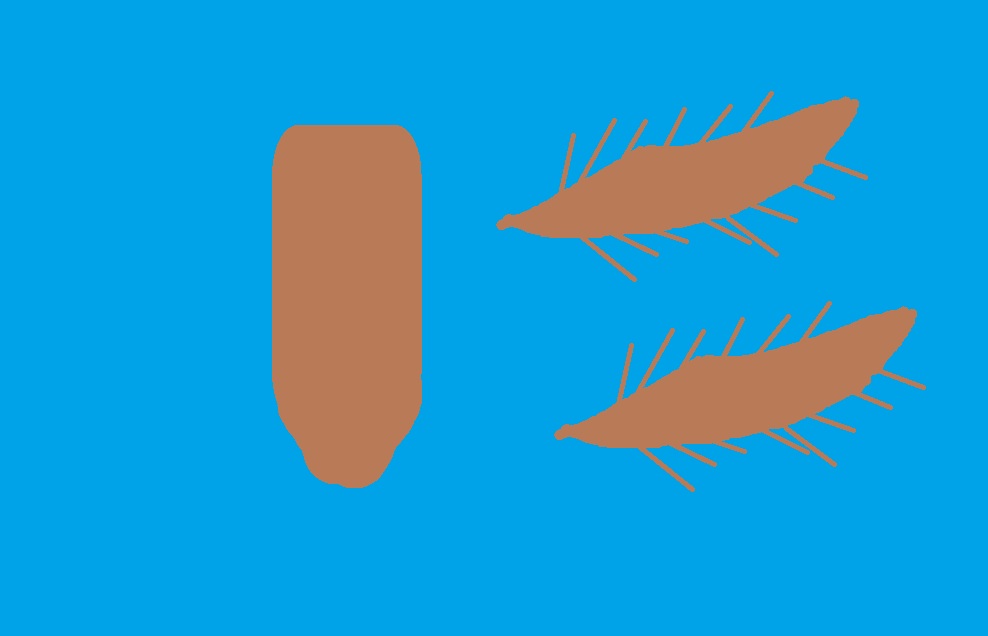
Terrain- A couple of large galleys capable of holding half the French forces, a cog capable of carrying the English. The cog should be higher than the galleys, and there should be some way for the French to assault the Cog.
Objective French board and seize the Cog, English, destroy the French.
My Paint skills were on point for this one……..
Set-Up
One of the two galleys should be positioned attacking the English Cog and preparing to board, the other should be moving slowly to engage.
Special Rules The English longbows should be able to shoot farther and faster than French Crossbows.
During the Franco-Dutch War. Dutch and French forces were converging on the city of Messina who was in revolt to its Spanish rulers. The Dutch were allied with the Spanish. The French did far more damage than the Dutch force; however, battered the Dutch were the French pulled off making the victory meaningless.
French
Commander Duke of Mortemart
24 Ships of the line 5 Frigates 25 Galleys 9 FireShips
Dutch-Spanish Force
Commander Jan den Haen, and Diege de Ibarra
14 Ships of the Line 13 Frigates 19 Galleys 4 Fireships
Wargame
RuleSet Black Seas 2-5 Players Models Needed: 100 Tablesize: 4×8 Terrain: Enough islands or rocks to create a bay.
Set-Up
The Spanish ships should be arrayed in line formation at the mouth of the bay. The Dutch ships should be arrayed in a similar fashion on the opposite side, facing the same direction.
The French should have their ships arrayed in a line approaching from the Spanish side. Frigates and galleys should be in the space between the two lines.
Objectives;
The French must inflict as much damage as possible on both fleets without losing a capital ship. The French must also evade the coastal batteries, which should have the firepower of a first-rate ship of the line.
The Spanish and Dutch forces need to use their screen to avoid losing any ships of the line. They do not need to inflict any damage. The fleet may flee at any time into the bay.
Additional Rules:
Fireships played a significant role in the battle, dealing most of the damage to the French.
Coastal batteries cannot be destroyed and should deal high damage.
The Battle of Jutland was the largest naval engagement of World War I and the last battleship-on-battleship engagement in history. Like most major naval engagements, it was indecisive. Both sides claimed victory. Germany sank more ships by 2:1 and killed more men by 3:1. The British were able to limit German access to the North Sea.
RuleSet Broadside Table Size 8×4 or larger. Number of Players 2-7 Models needed, 100 give or take.
Set-Up
I would advise using 1:1800 scale ships for this encounter. Most ships are available as 3d prints. This scenario should be played on a large table. If a large table is unavailable, reduce the range of various ships. Maybe the maximum range of a battleship is 6″ and the ideal range is 4″.
You do not need most of the destroyers and light cruisers. If you choose to use them, they should be kept in squadrons of 4 to 6 for scouting or anti-submarine activities. The core of the action is the dreadnoughts and battlecruisers.
The main crux of a game like Jutland is to balance the two forces, even with the numerical difference. At Jutland, the British were disorganized and out of formation, while the Germans were prepared for battle.
For the setup, the British should be divided into three squadrons of 8 dreadnoughts, and 2 armoured cruisers with support ships, similar to the actual engagement. If you have more players, the British should have up to five commanders while the Germans should stick with two. The Germans should also be broken up into three, eight-ship squadrons with three or four lighter ships each. However, these should enter much closer together in a more traditional Vanguard, Center, Rearguard scenario.
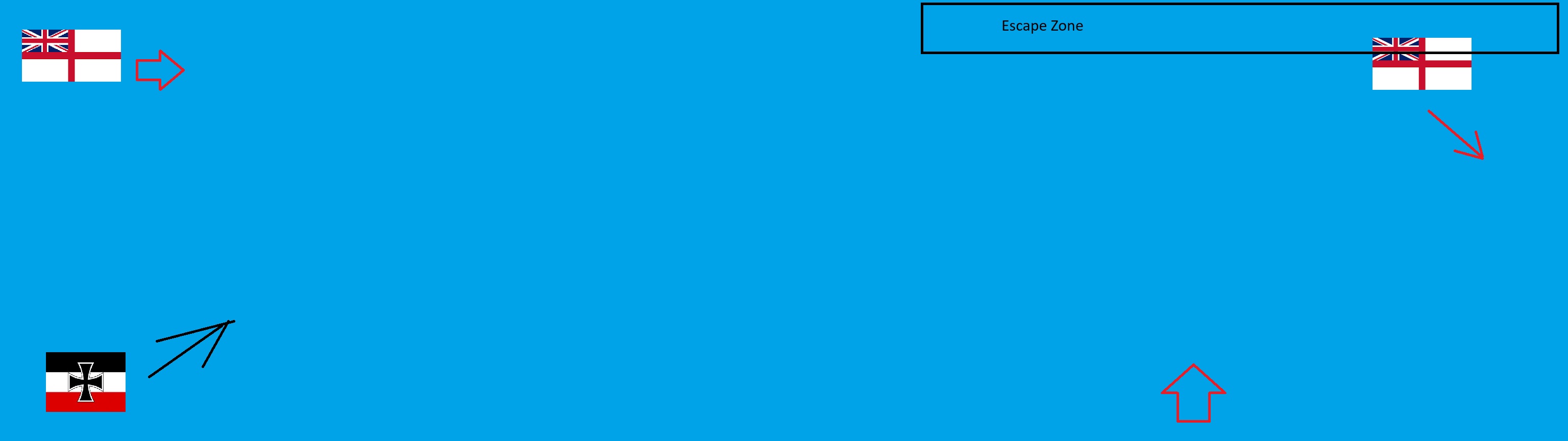
One British squadron should be about 10% away from each edge, with the Germans engaging from the bottom left. One British Squadron should be kept in reserve and begin entering the fray after an adequate number of turns. Depending on your system, it should be the middle of the game, so if a typical game is 20 turns, they should enter around turn 11.
The scenario’s challenge involves doing enough damage to the British squadron nearest the German fleet before the reserve squadrons can turn around and engage. The Germans must also escape the topmost table edge.
The British must quickly bring their forces to bear. Due to their spacing, the British should not allow their commanders to communicate with one another.
Victory;
The British will win if they inflict more damage on the Germans than the Germans inflict on them. The Germans will win if they inflict more damage or cause less damage, but every dreadnought and battlecruiser escapes.
Additional Rules The Germans had submarines in the area; they could place torpedo markers that forced British ships to change course. British scouts could eliminate these markers if needed.
Fog played a significant role in the battle, as visibility was limited. This can be gamed by having the British reserve commander be in a different room and only communicating with one-line telegrams.
Scout forces also engaged and caused minor damage. Based on the scouting results, a pre-battle scouting game could take place, with the sides getting better positioning.

 stonewalljackman