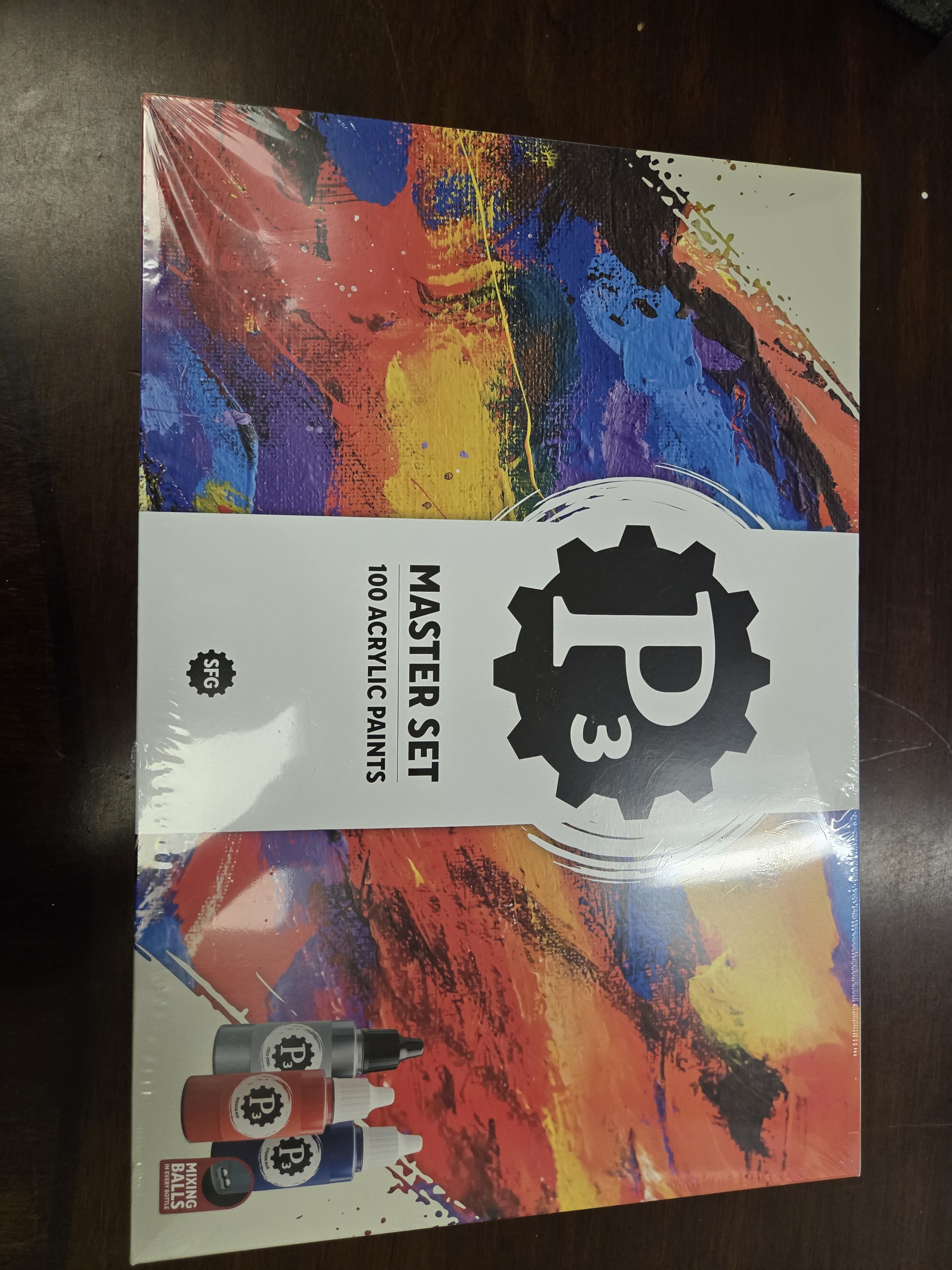
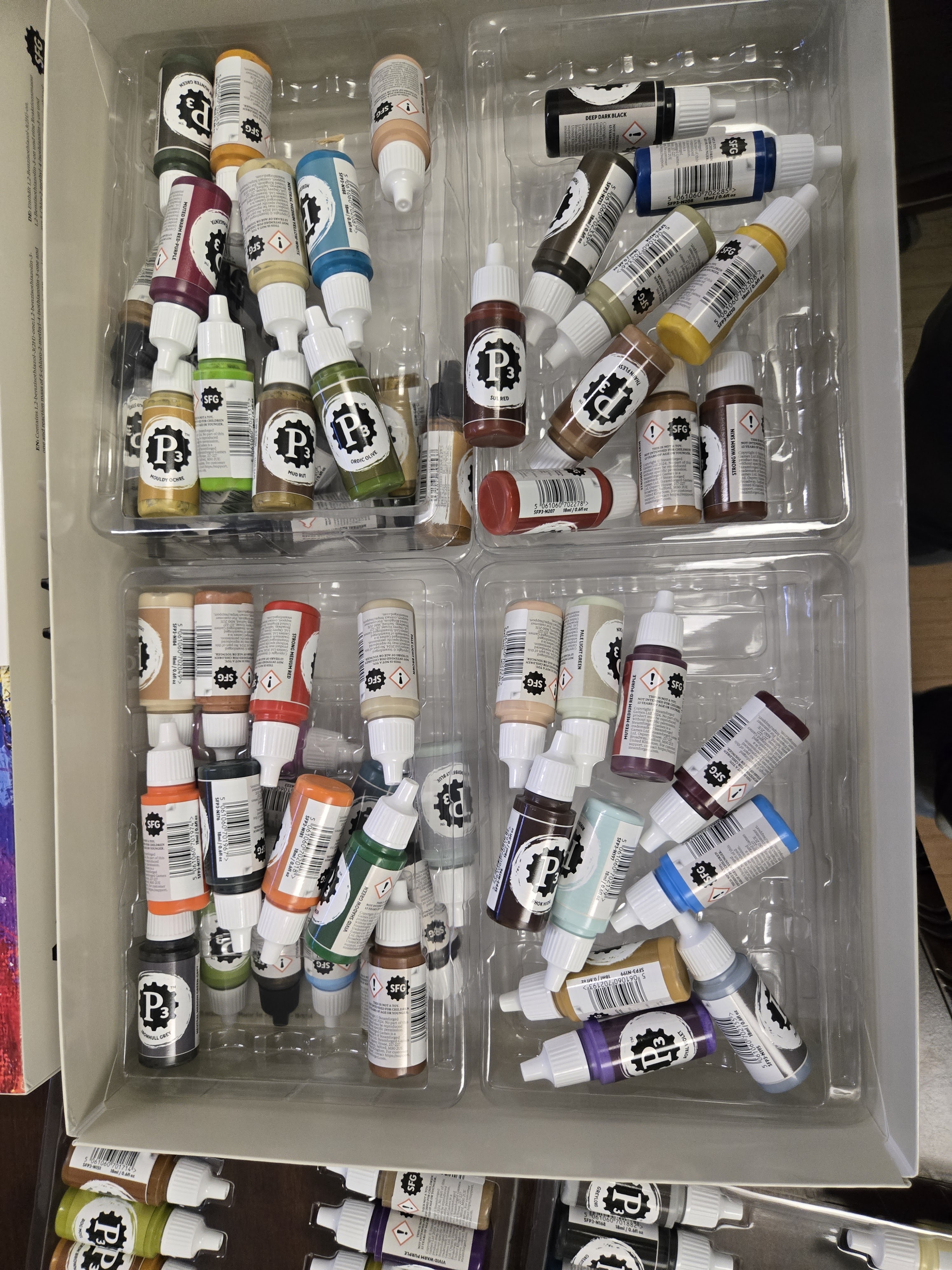
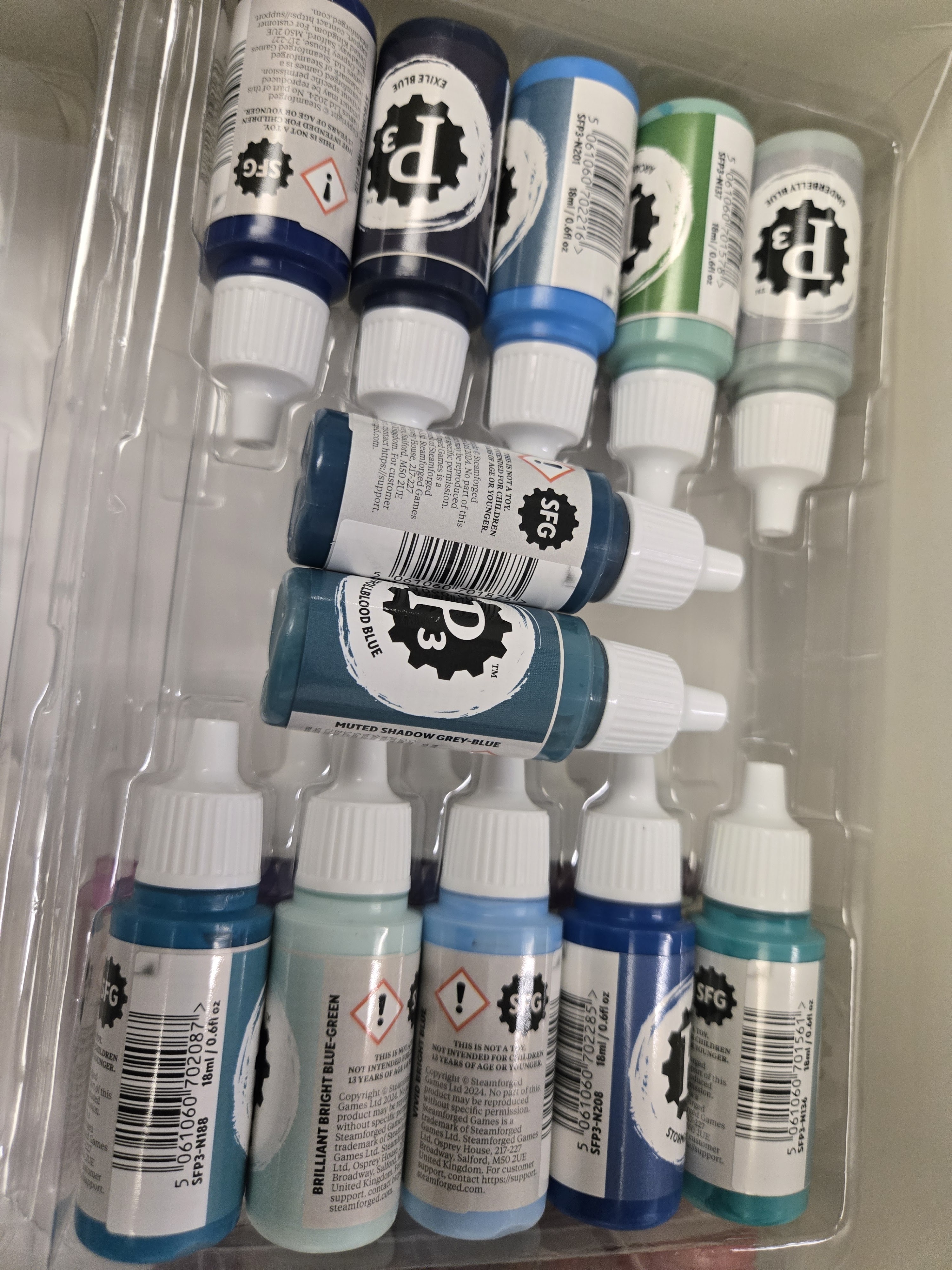
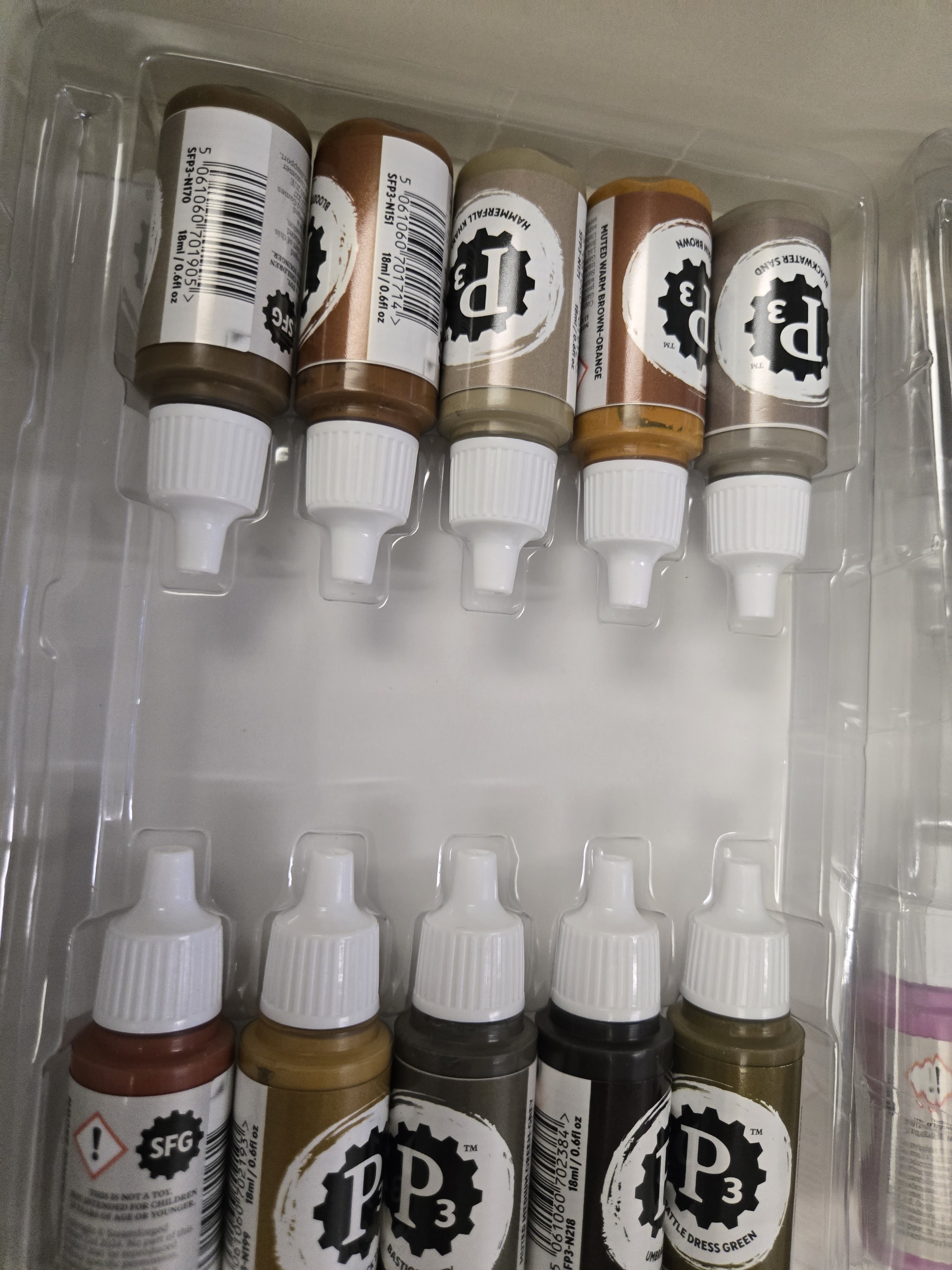
I recently received the P3 Master Series Paint Set. My box opening is available here.
I have been working with the paints for about two weeks and have painted 30 or so models using the paints. I did a variety of models, such as Star Wars Legion, Reaper Bones, Warhammer, Marvel Crisis Protocol, Lord of the Rings, 3D prints, and some Flames of War. I used the paints in several ways, direct from the bottle, thinned, airbrushed, and as glazes. I also used wet blending, layering, edge highlights, base coating, etc. There were no scientific comparisons, color matching, or very professional items; I just wanted to give my thoughts on the set.
When I started my hobby, I was almost mystified by the quality of the P3 paints and how hard they were to get. Professional painters swore by the paints. I had to have the Kickstarter to see what all the fuss was about.
Conclusion
As an amateur painter, I did not think these paints were for me. I would pass on rebuying them. I think I could see the appeal for a professional painter, but I don’t have the skill to maximize their potential.
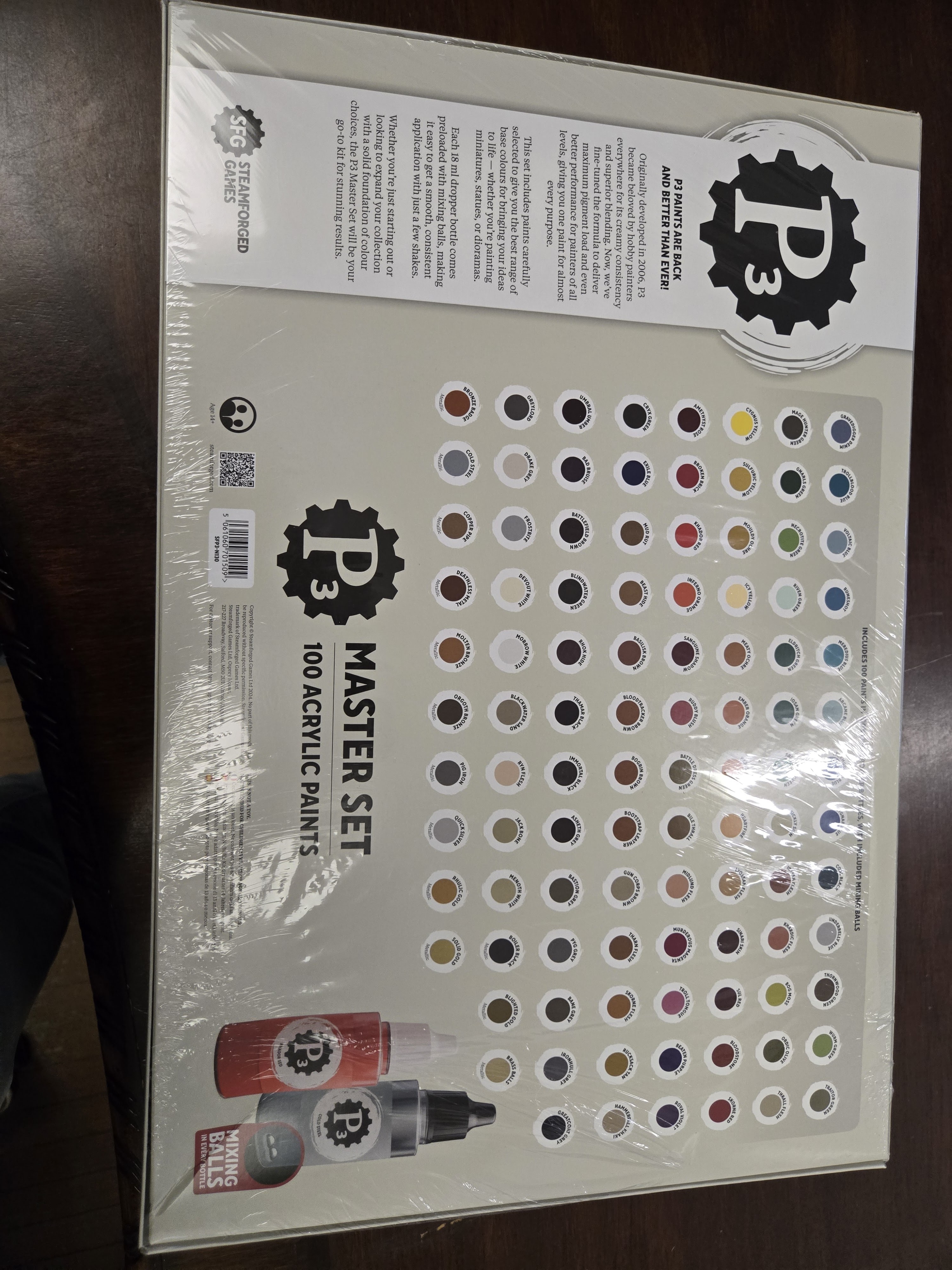
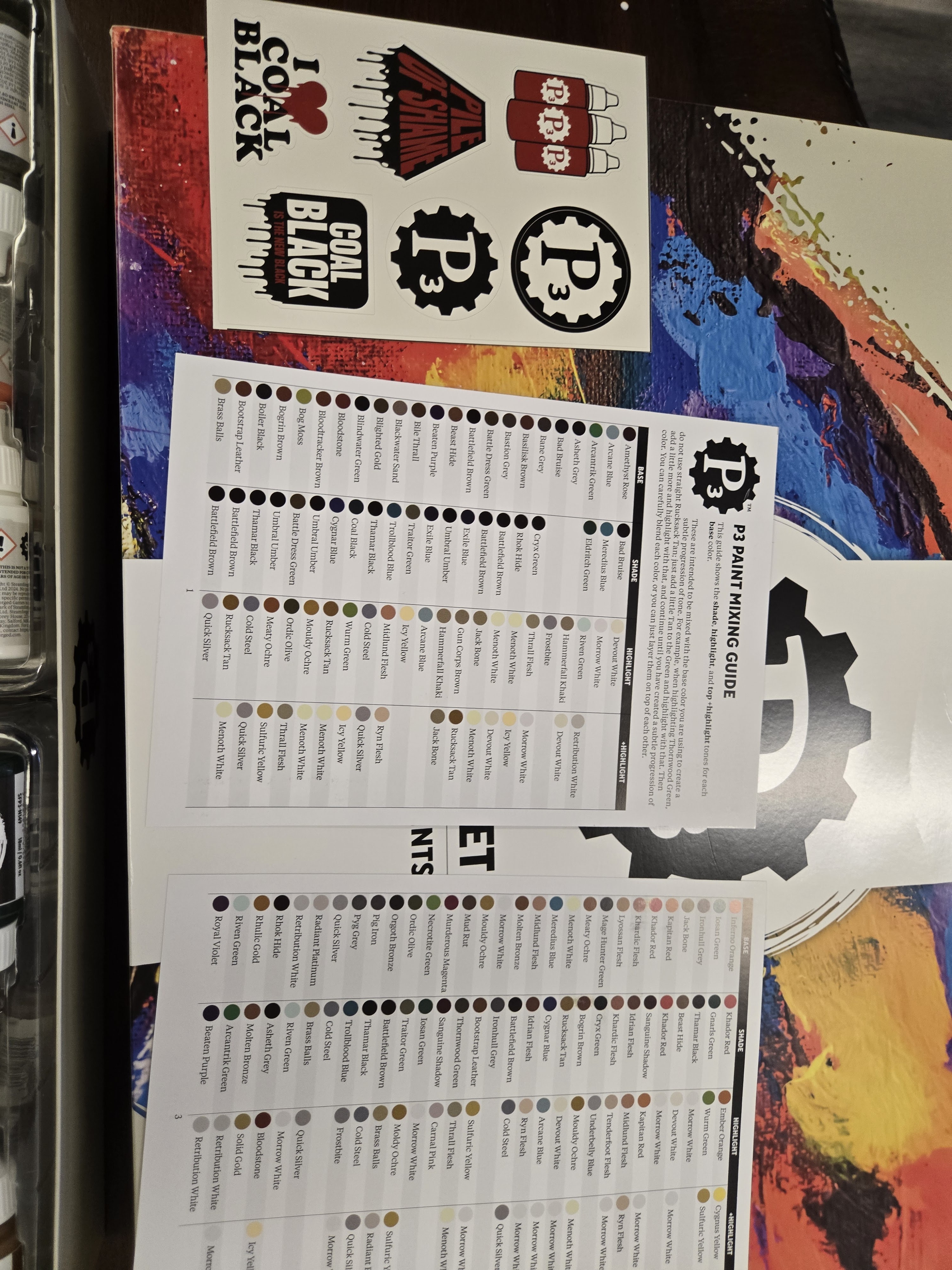
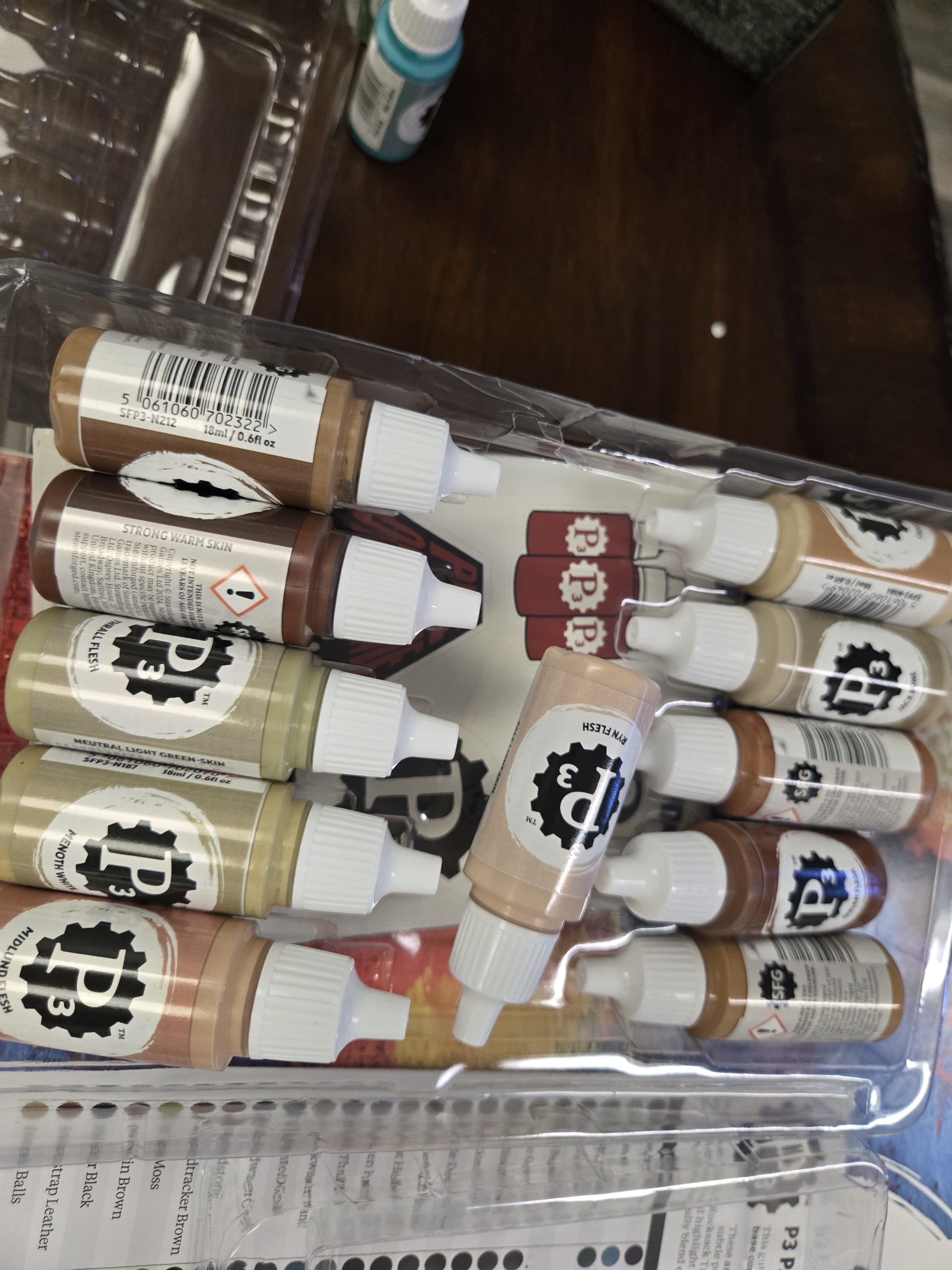
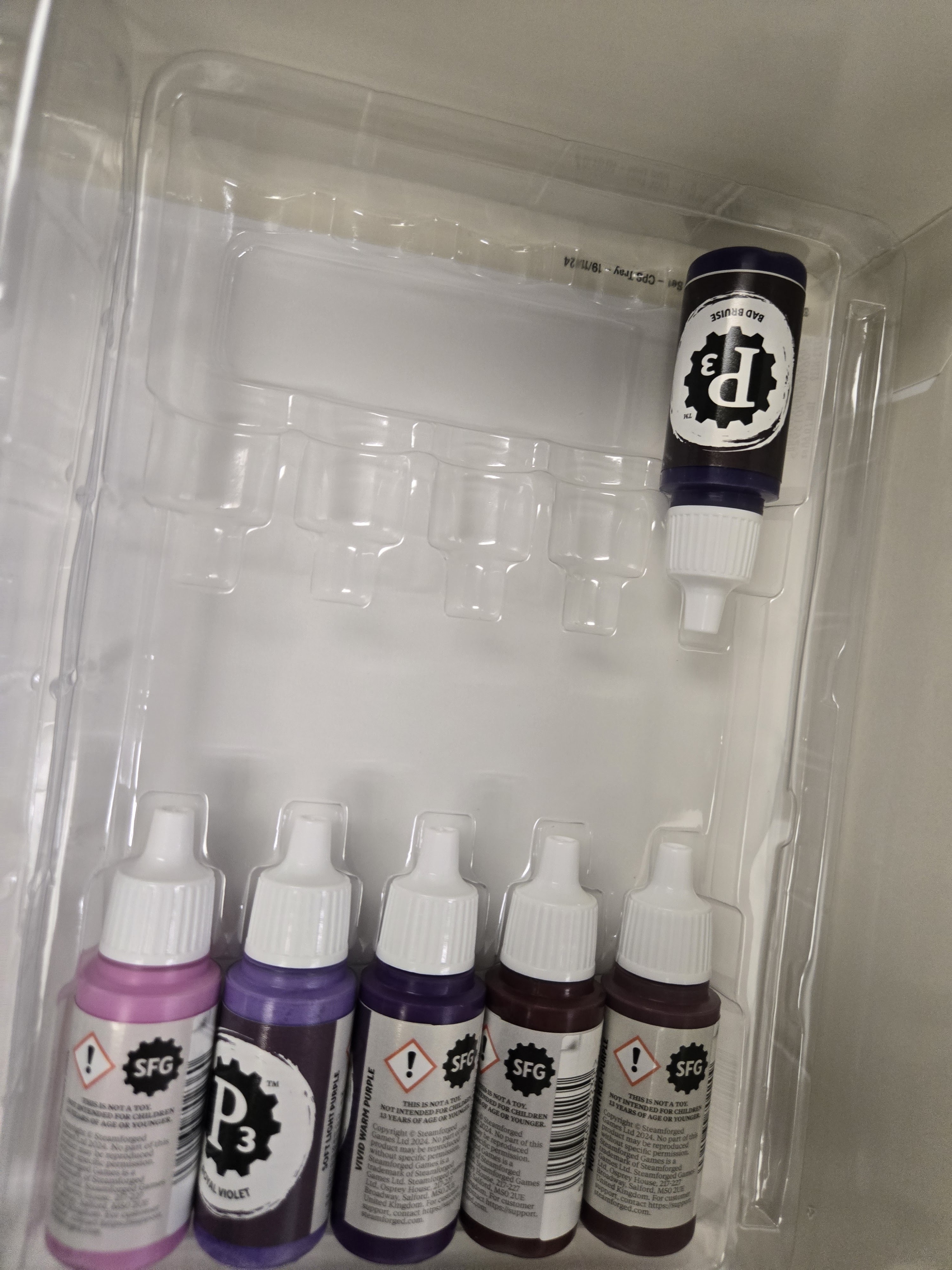
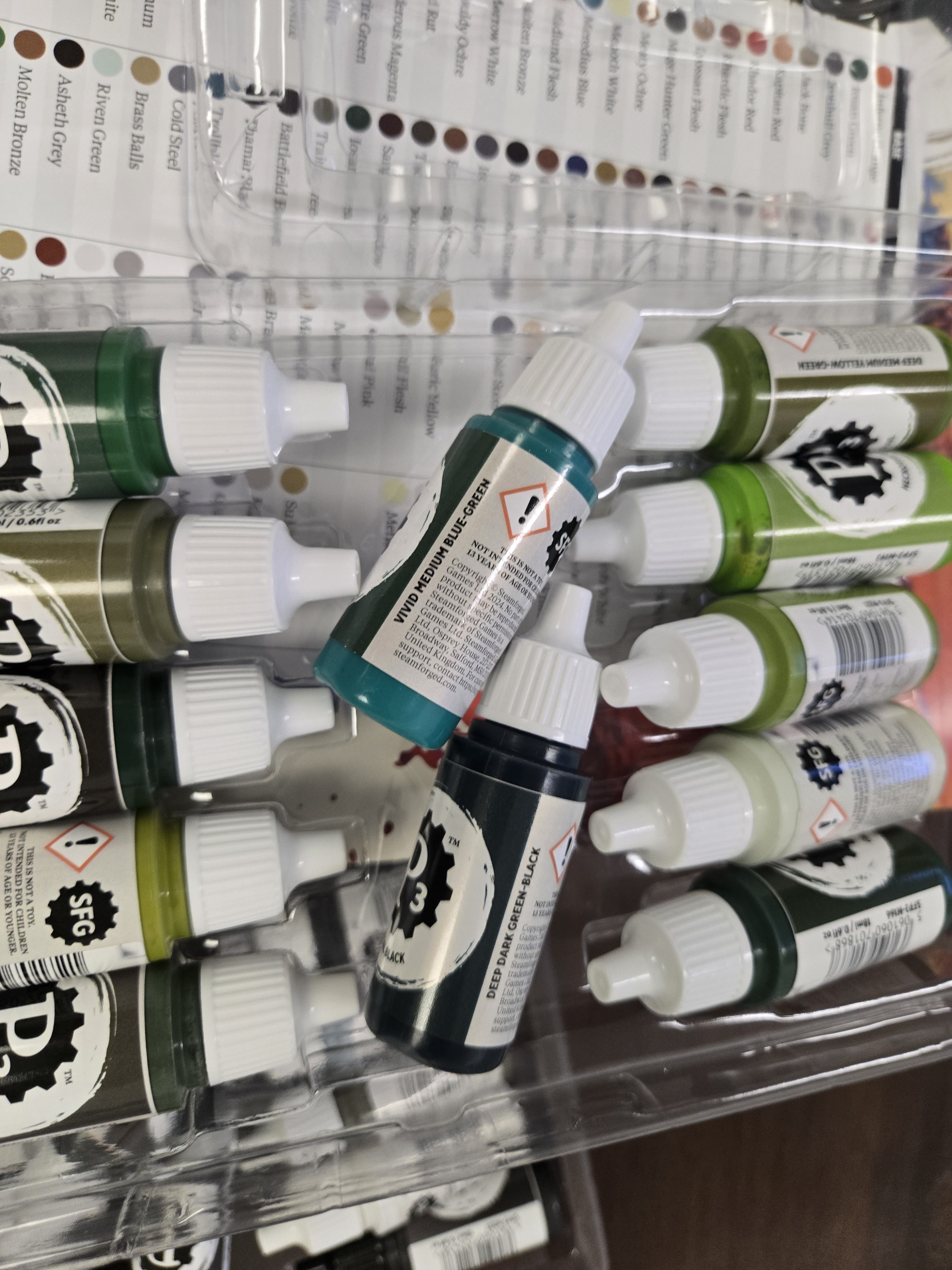
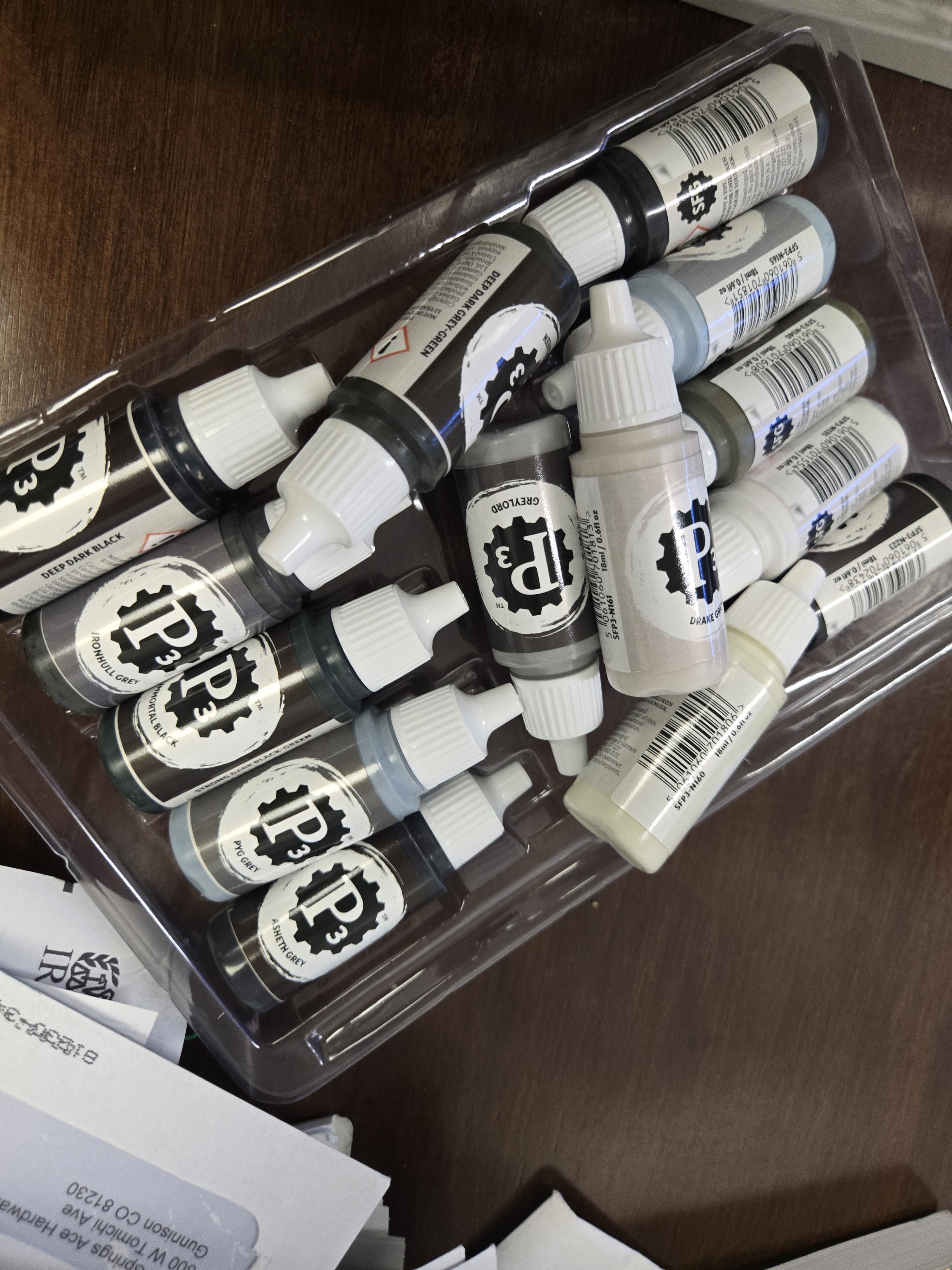
As I stated in the unboxing, there were no mixing mediums, primers, or washes, so I would expect to come with a set like this.
The paints themselves were pretty thick. I mixed every paint in the bottle using a vortex mixer for about 45 seconds before using. Many paints broke on my wet palette after 15 or 20 minutes. When the paints were thinned too much, instead of just being thin and needing a second layer, the brush strokes were obvious and hard to hide, especially when wet blending.
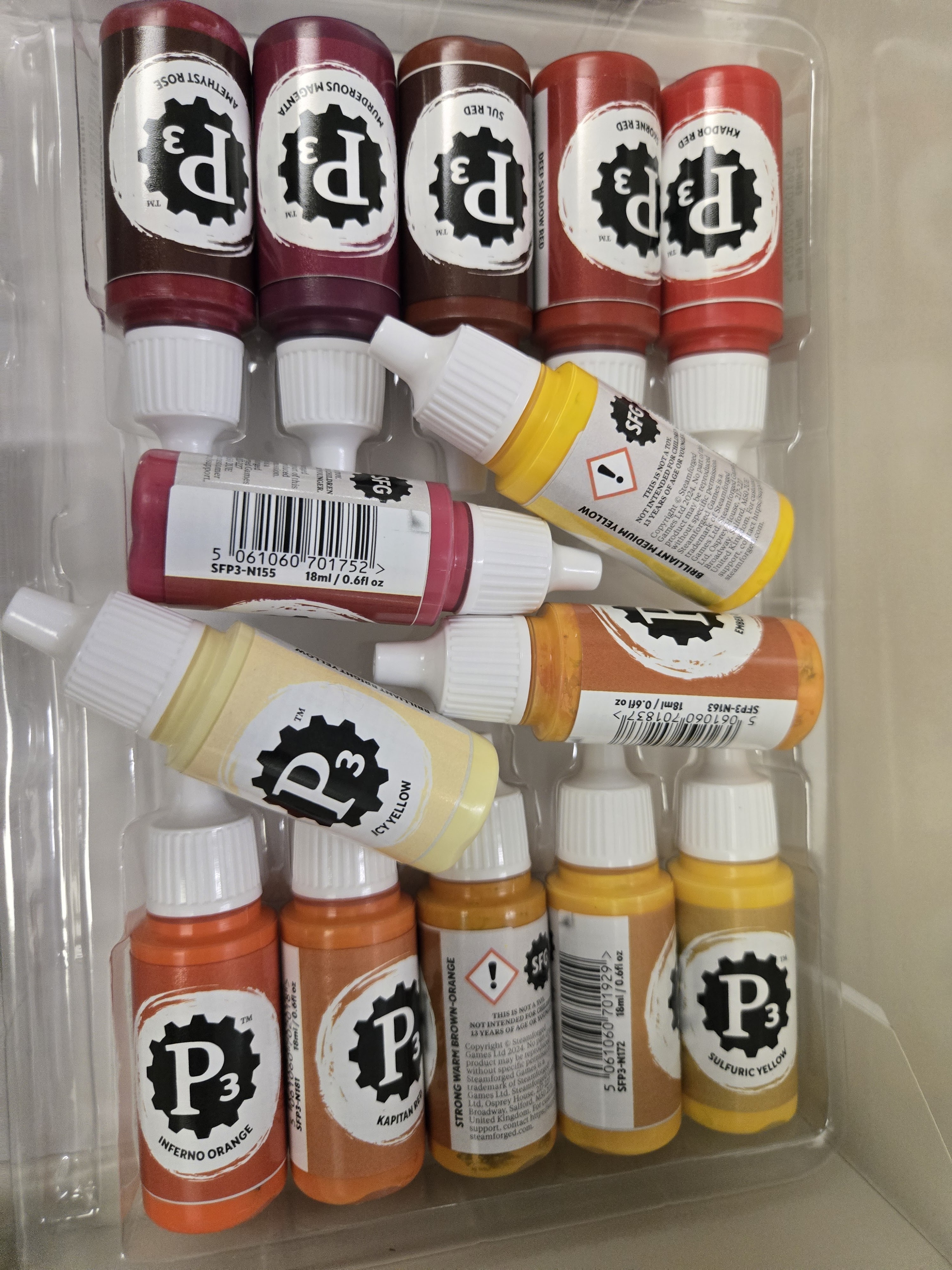
I tried about 70 of the colors included in the box. They all had a lovely, rich hue and good coverage when appropriately thinned. The ratio to thin the paints differed with every color, and it took four or five tries to get the correct ratio. Many of the paints finished with a semi-gloss sheen. I prefer my paints to finish matte, but I could be incorrectly using them.
The P3 paints are a step below Army Painter and Vallejo, but a step up from Reaper and two steps higher than Citadel. I would still consider Two Thin Coats the top brand for amateur use.
First Experience

I first tried a DND Reaper Bones model I had already primed. I wanted to see what the paints could do directly from the bottle—no thinning, no wet palette, just paint.
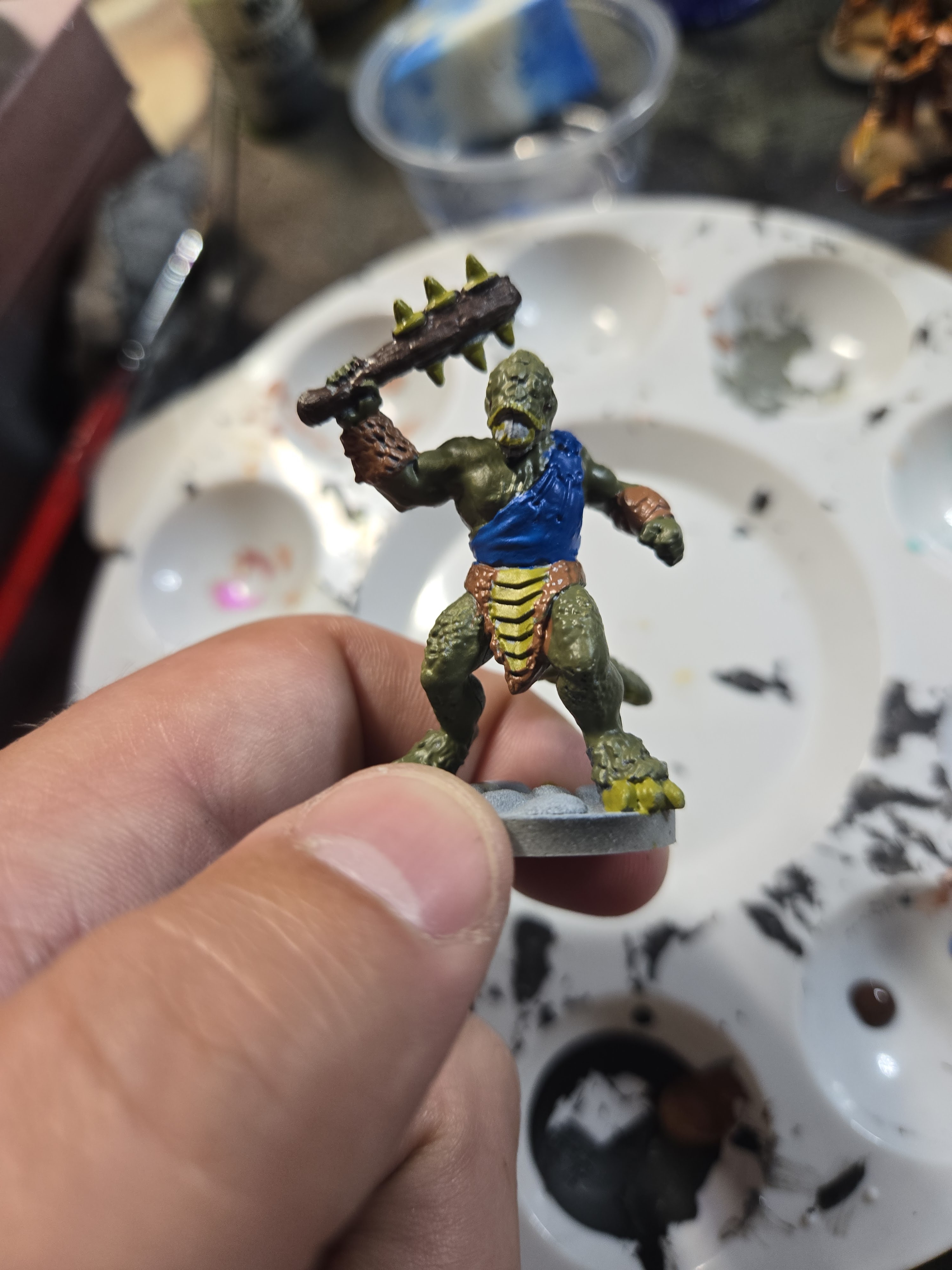
You can see the rich color and bright hues, but you can also see how thick the paint was when it came from the bottle and how it muddled many details.
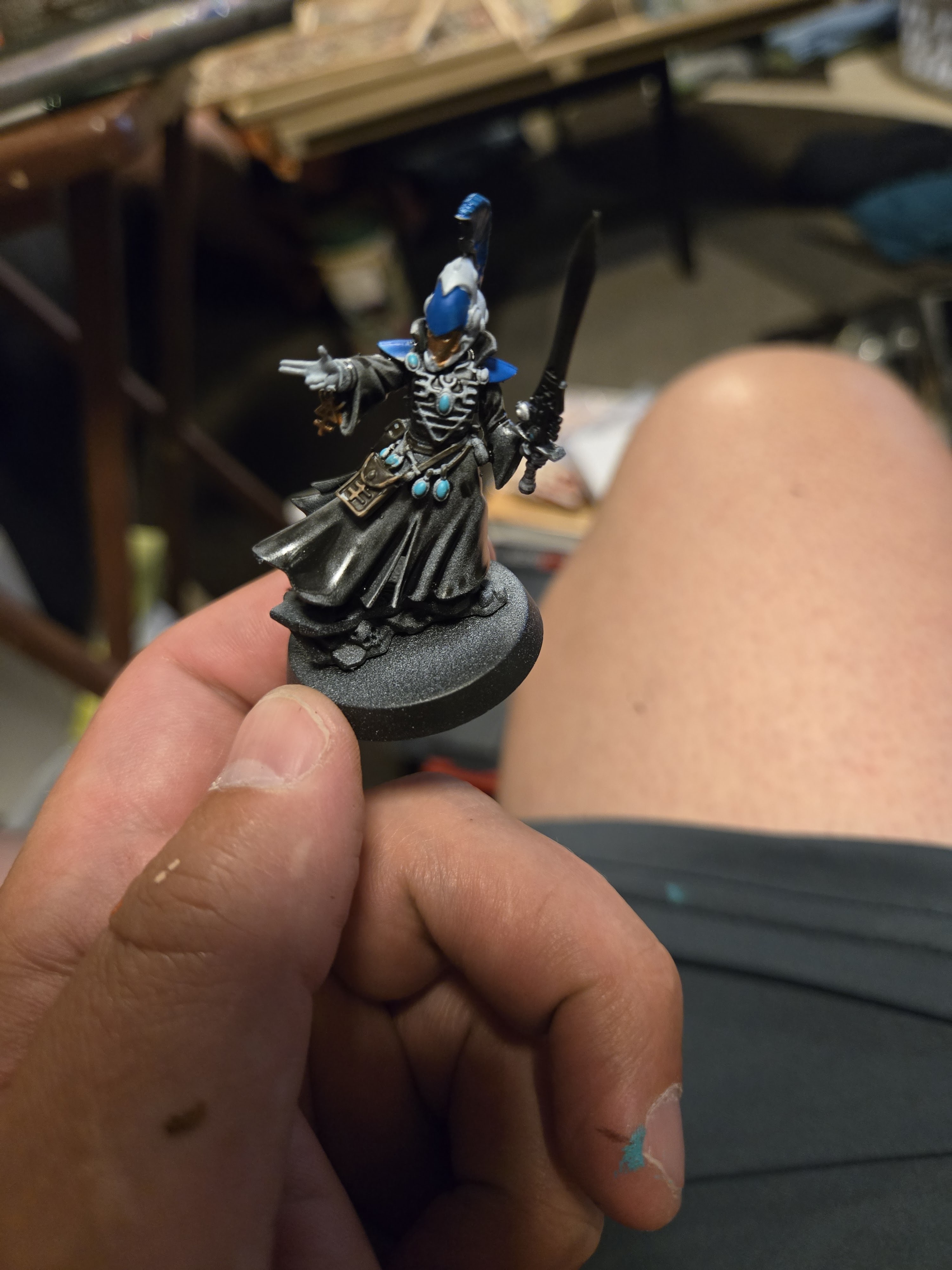
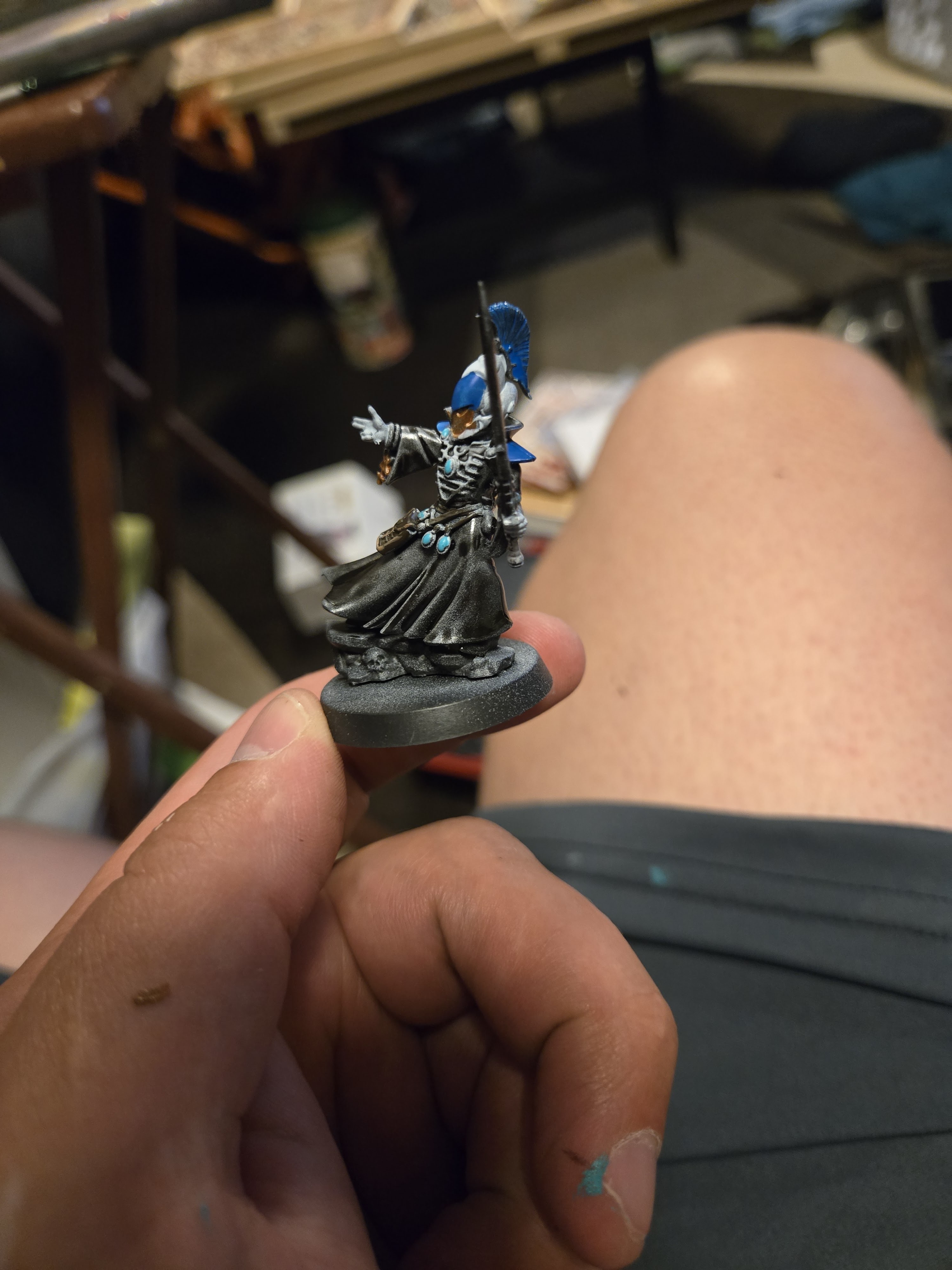
My next model was a simple Aeldari Warlock. This time, I thinned the paints and used the black as a glaze for the bottom robe, which turned out nicely. The unthinned paint made a very nice edge highlight. You can see it on the satchel and the model’s chest piece. The metallic visor didn’t work well; it was gloppy and hard to control.
You can see the stark difference between the unthinned and thinned paint. I don’t see much difference between thinned and unthinned in my usual paints like Reaper, Armypainter Air, and Vallejo Air. This was a big step in seeing so much difference.
My next model was Fulgrim, also for the Aeldari. (I am in a league and picked Aeldari as my army.) I had already done some airbrush work on the model, which you can see below. For my P3 test, I simply did detailed work.
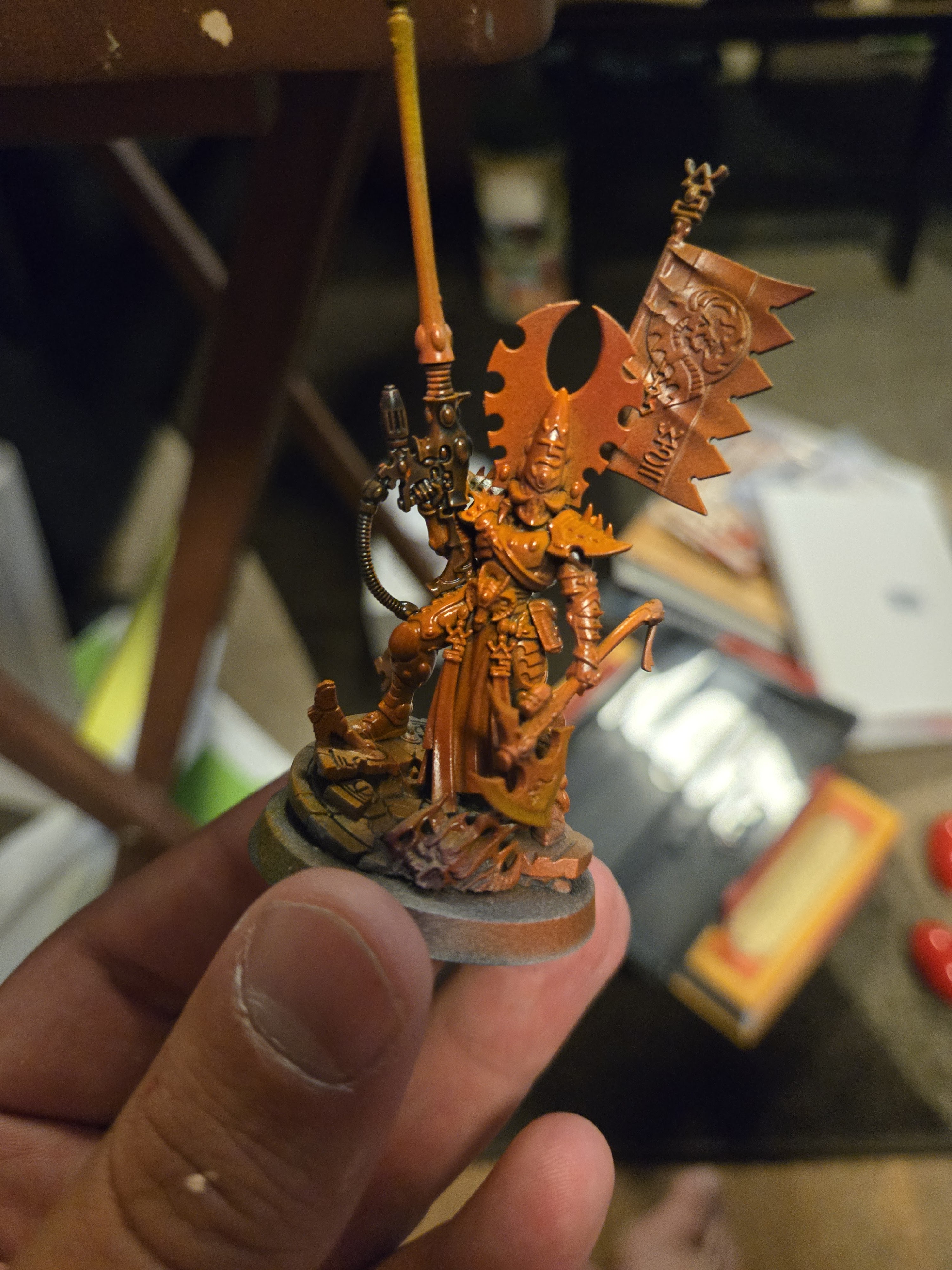
Below is the finished product after my detailed work. I won’t do bases until all models are ready.
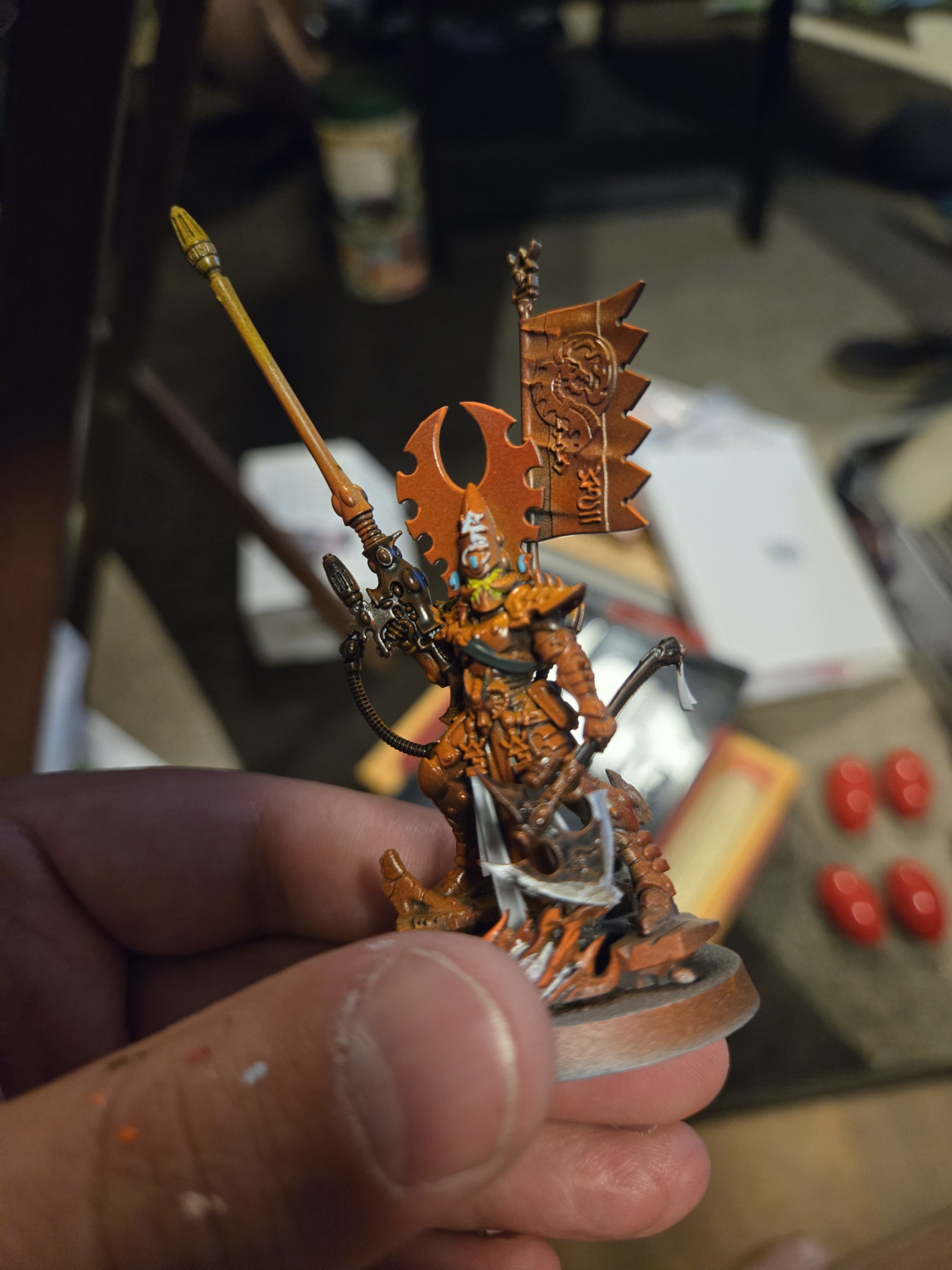
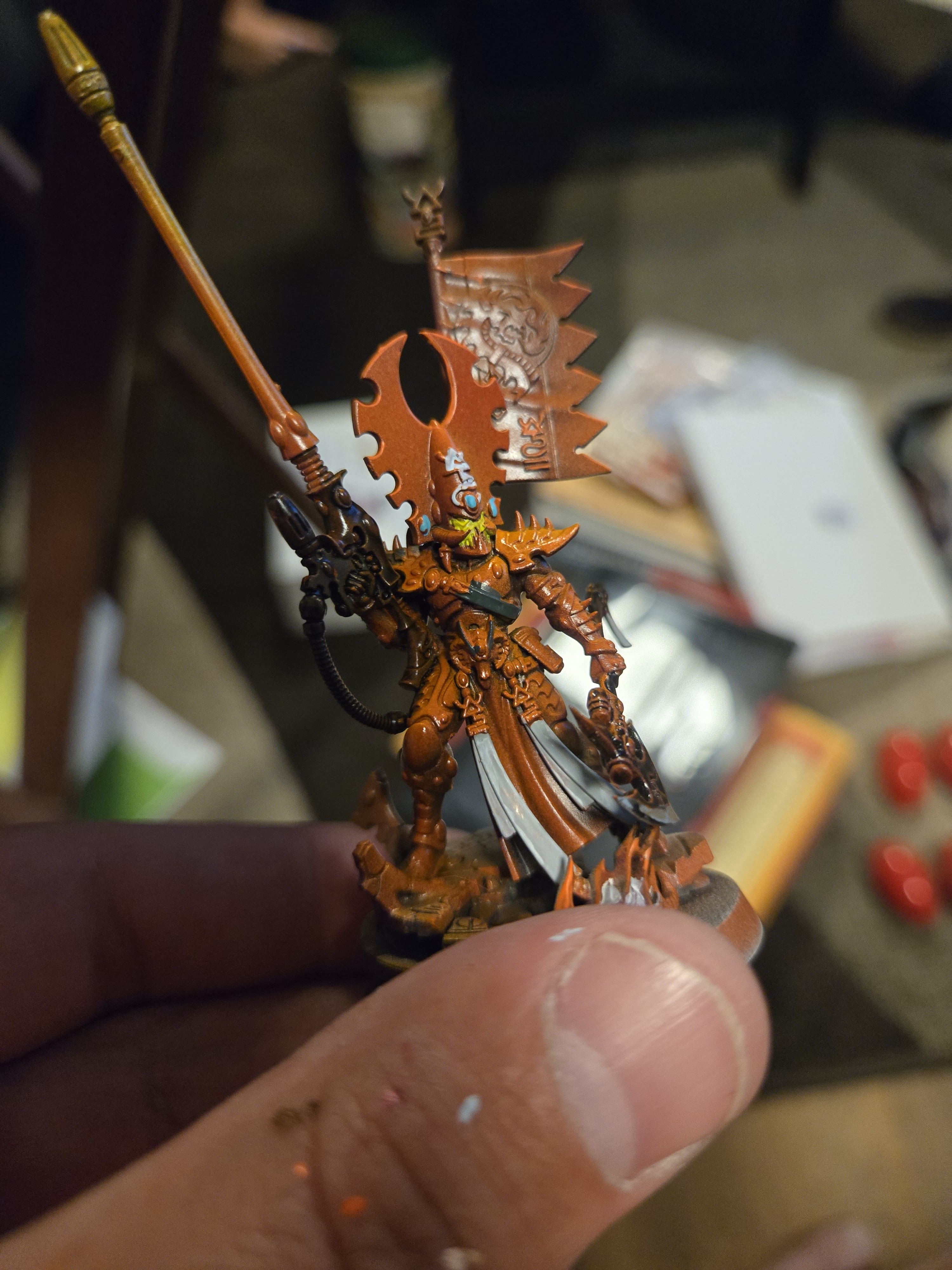
The paints were difficult to control in tight areas unless the mix was perfect, especially in the face area. This is just something to be aware of as an amateur painter.
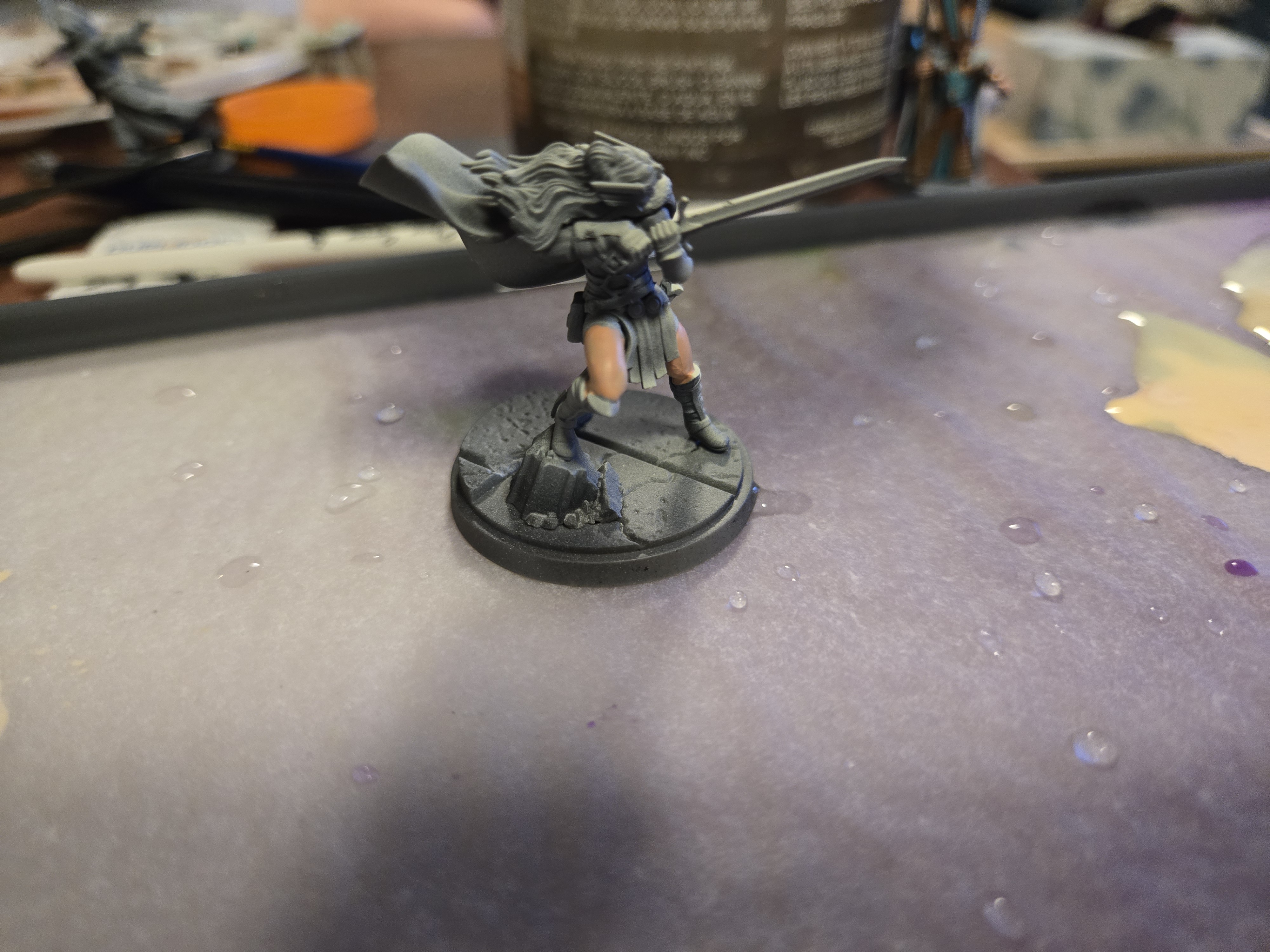
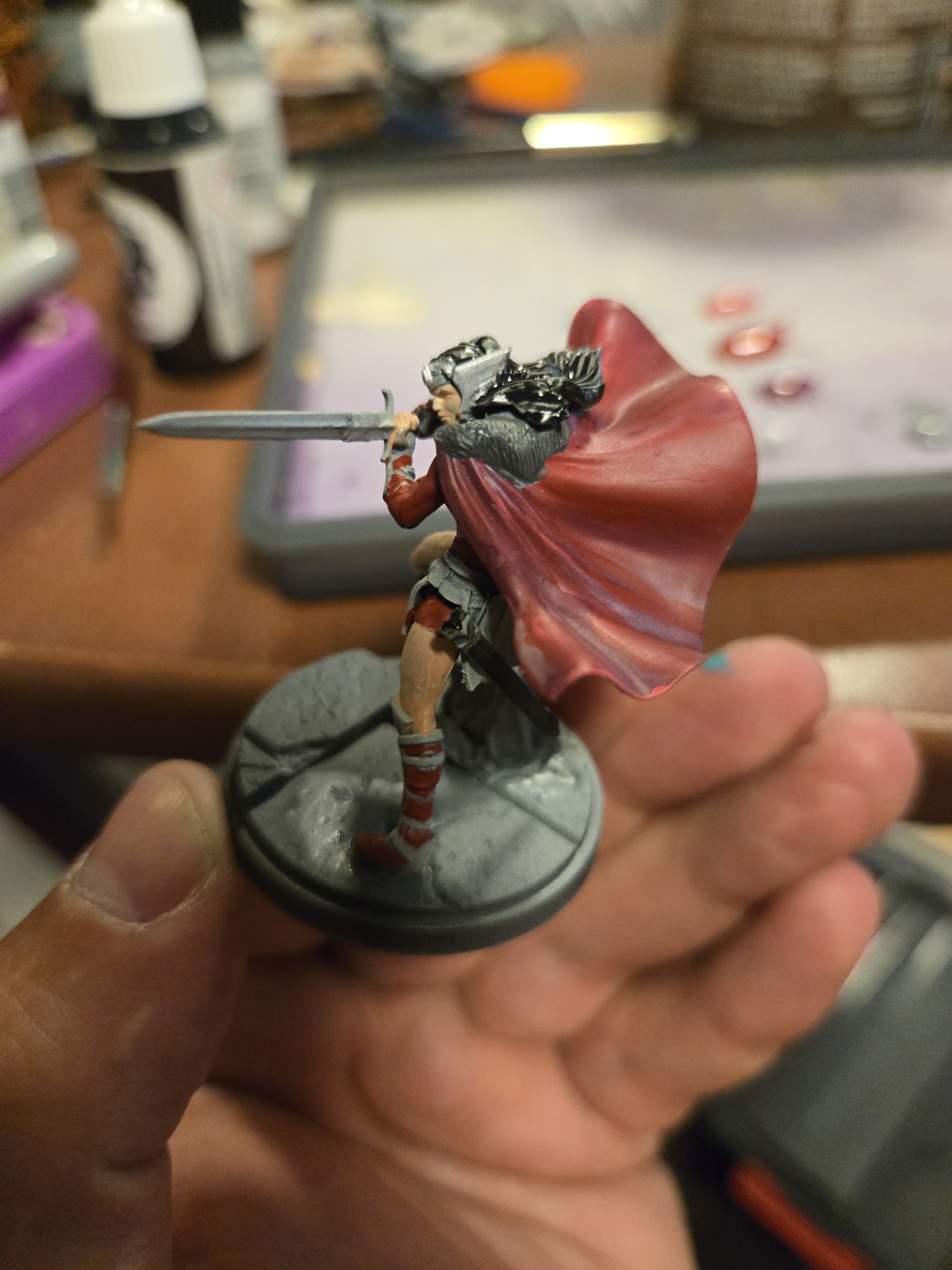
Marvel Crisis Protocol Lady Sif. Thinned paints, just base coated. I struggled to wet-blend the cloak. I will say I am not a good wet blender.
A zenithal primed phoenix guard captain.
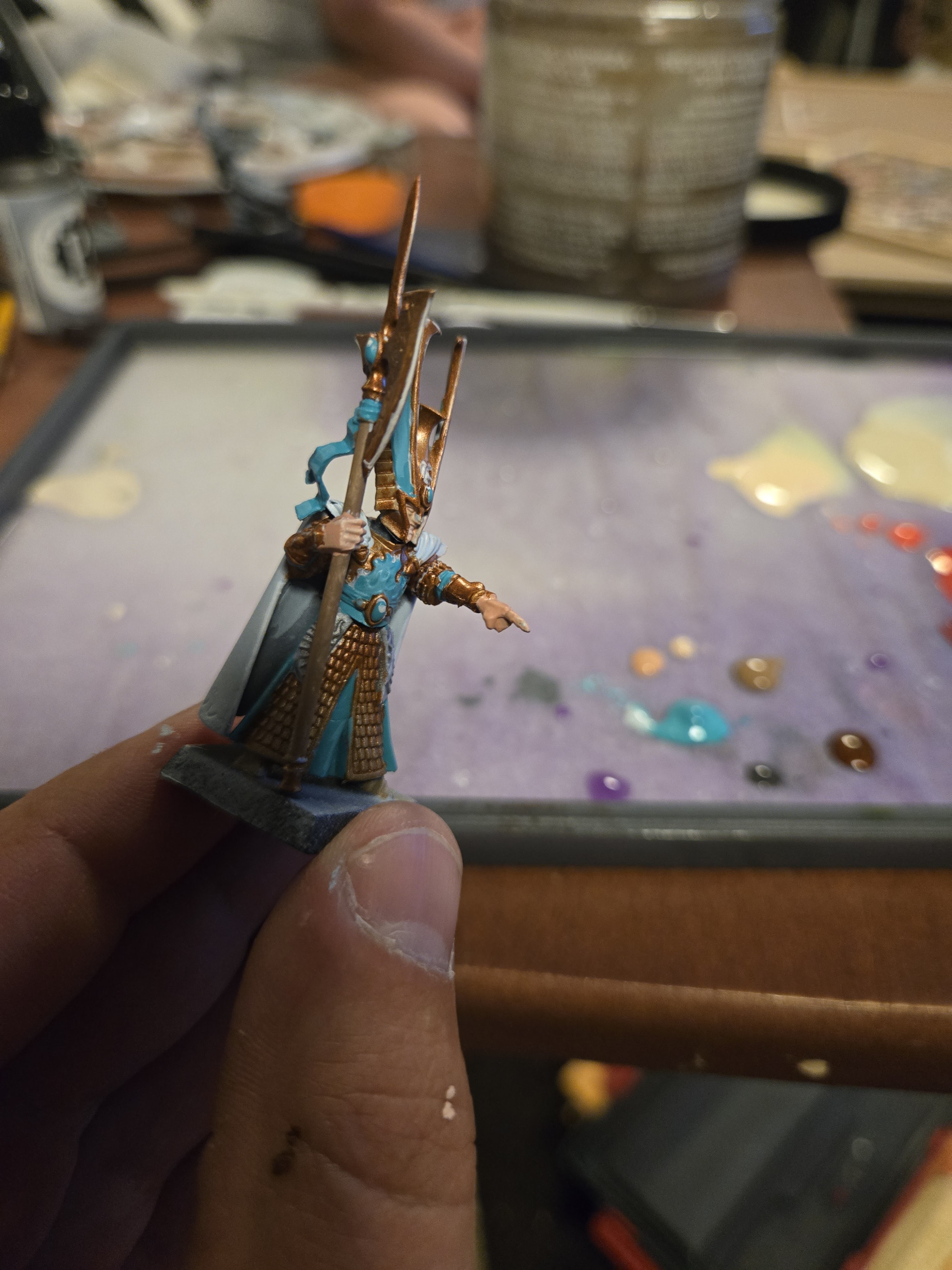
It is crazy how terrible a paint job can look zoomed in. At 3′ distance, I was happy with this model. The paints at times flowed too well, notably the flesh color around the hands. The metallic bronze and the blue did not flow nearly as well. You can clearly see the unpainted areas of the model in the zoomed-in photo.

My last test was a fully airbrushed Incredible Hulk for Marvel Crisis Protocol.
When properly thinned and mixed with an airbrush flow improver, the paints performed better than expected. In fact, I think they performed better than Citadel paints. They gave a nice, even flow with minimal pixelation. The pigments covered nicely; overall, they created a nice model with sound effects.

You can clearly see the folds in the trousers and many details. Again, this model was fully airbrushed. I only used a brush for the eyes and the nails.
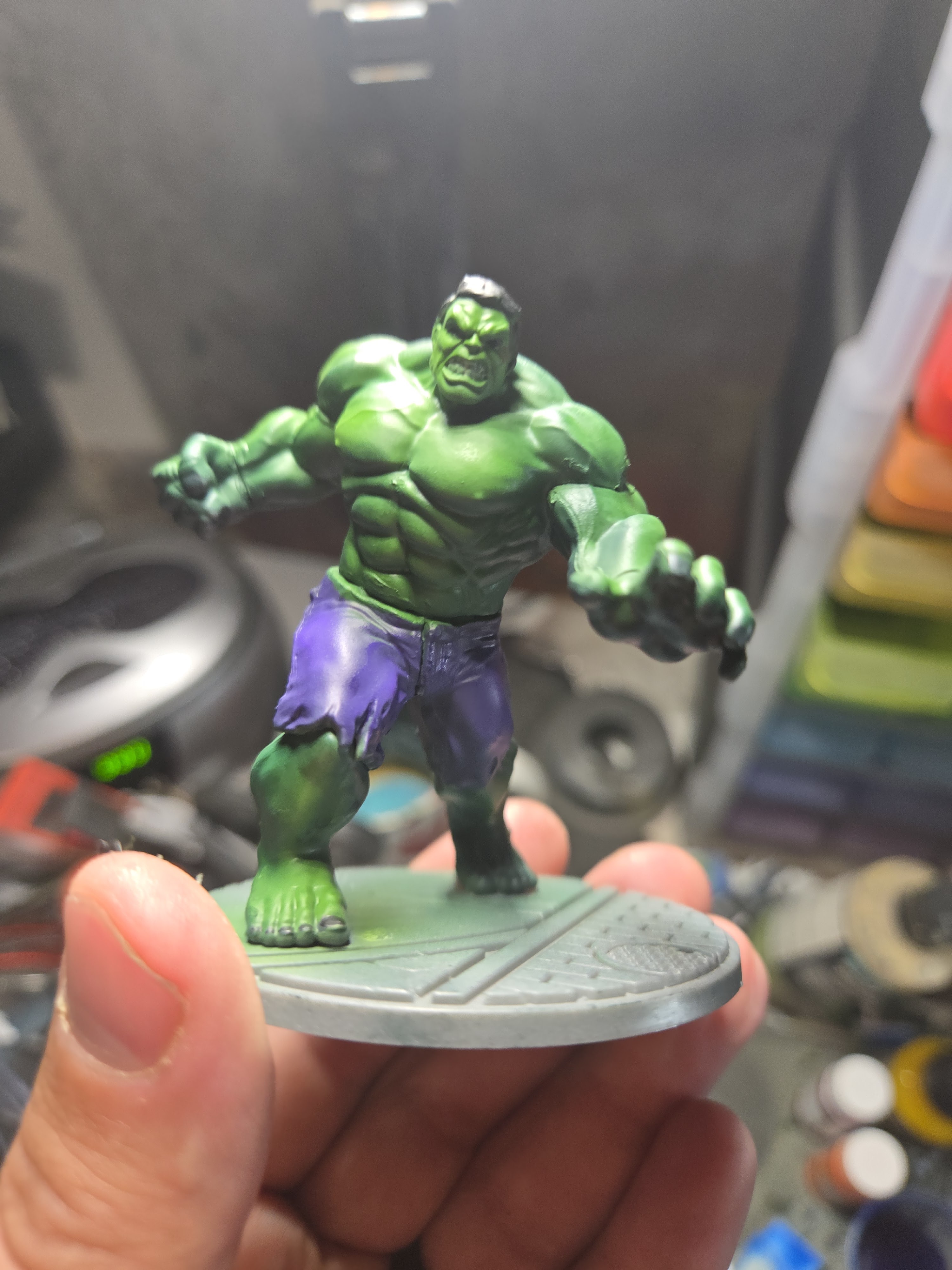
There are clearly defined shadows and highlights. My lines weren’t super clean. Again, I’m happy with how the paints were done with the airbrush. You can also see that there isn’t any spidering or splatter.


 stonewalljackman